


How to Open a 24/7 Gym in Australia (2026)
The Short Answer
A 24/7 gym is a volume business: a low weekly price, usually $15 to $25, that covers costs through member numbers rather than service. The trade-off for that low price is unmanned hours, which means access control, cameras and duress alarms have to do the job a reception desk does elsewhere. Lean staffing, strict compliance on emergency egress and signage, and a reliable way to know who is on-site at 3am are what separate a 24/7 gym that works from one that becomes a liability.
The 24/7 access model is one of the most capital-efficient ways to run a gym in Australia, because the same floor generates revenue around the clock instead of only during staffed hours. It's also the model with the least room for error, because the things that go wrong tend to go wrong when nobody is there to catch them. This guide covers the volume pricing model, what access control actually needs to do, and the compliance and staffing decisions that determine whether an unmanned gym runs safely.
The Volume Model: Low Price, High Member Count
24/7 gyms typically price at $15 to $25 a week, well below a group training or reformer studio, because members are paying for access, not a coached service. That lower price point only works with volume behind it. A 200 to 300 sqm hybrid facility commonly needs somewhere in the order of 120 to 250 members to break even, and a pure 24/7 open-gym site generally needs to sit toward the top of that range or higher, since there's no group training or PT revenue lifting the average spend per member.
Because members can turn up at any hour, equipment in a 24/7 facility takes more use per machine than in a staffed-hours gym, and there's no staff member on hand to flag a fault before the next person uses it. Commercial-grade equipment with real serviceability, not entry-level gear, is what keeps a 24/7 floor running without constant call-outs.
Access Control Is the Product You're Really Selling
In a staffed gym, a person on the desk is the access control system. In a 24/7 gym, that job moves entirely to hardware and software: a fob, keycard or app that unlocks the door, tied to a membership system that can suspend a member's access the moment a payment fails or a membership is frozen. Gym management software such as VERVE Pulse, from $199 a month plus GST, can handle app-based access alongside billing, so a lapsed payment locks the door automatically rather than relying on someone noticing later.
Whatever system you choose, test what happens at the edge cases before you rely on it: a member whose card is cloned, a tailgating entry where one fob lets two people in, or a payment that fails at 2am. These are the scenarios that actually determine whether your access control is doing its job.
| Cost driver | Staffed-hours gym | 24/7 access gym |
|---|---|---|
| Typical weekly price | $40 to $80 (group training) | $15 to $25 |
| Staff cost during trading hours | Reception plus coaches rostered on | Minimal, mostly cleaning and maintenance visits |
| What replaces staff | N/A | Access control, cameras, duress alarms, monitoring |
| Member volume needed | Lower, higher revenue per member | Higher, lower revenue per member |
Security and Safety Compliance for Unmanned Hours
- CCTV covering entry points, the main floor and any blind corners, with footage retained long enough to be useful if an incident is reported days later.
- Duress alarms at multiple points on the floor, not just near reception, since an incident can happen anywhere in an unattended space.
- Emergency lighting and clearly signed egress paths that meet the building code, confirmed with your certifier at fit-out stage, not discovered at final inspection.
- A documented incident response plan: who gets the alert, what the response time is, and when emergency services get called.
The compliance side of a 24/7 gym is detailed enough that it deserves its own reference. Our 24/7 gym compliance and security guide covers the specific requirements in full, and it's worth reading before you finalise a floor plan, since egress and camera placement affect layout decisions.
Lean Staffing: What You Actually Need on the Roster
A 24/7 gym doesn't mean no staff, it means staff deployed differently. Most 24/7 sites still run staffed hours for a portion of the day, often for group classes or PT sessions that add revenue on top of open-access membership, with the unattended hours covered by monitoring rather than a physical presence. Budget for cleaning and equipment checks on a set schedule, a maintenance contractor on call, and a security response provider contracted to attend duress alerts, since relying on a casual staff member to drive over at 3am isn't a real plan.
Get Your Free 3D Gym Design
Send us your floor plan and most founders have renders back within a week, then a video walkthrough and as many layout changes as it takes.
Request Your Free DesignThe Mining Town Story: Volume Under Real Pressure
One founder in a South Australian mining town opened a 24/7 gym that fills from 4am with shift workers coming off night rosters, a pattern that only a genuinely unattended, always-open model can serve. Sites like this are a good test of the volume model in its purest form: there's no staffed peak hour to lean on, the equipment needs to survive constant use across every hour of the clock, and freight and serviceability become real planning line items rather than afterthoughts. Our gym equipment for rural and regional Australia guide covers what changes when a site is a long way from the nearest service technician.

Equipment That Survives Unattended Hours
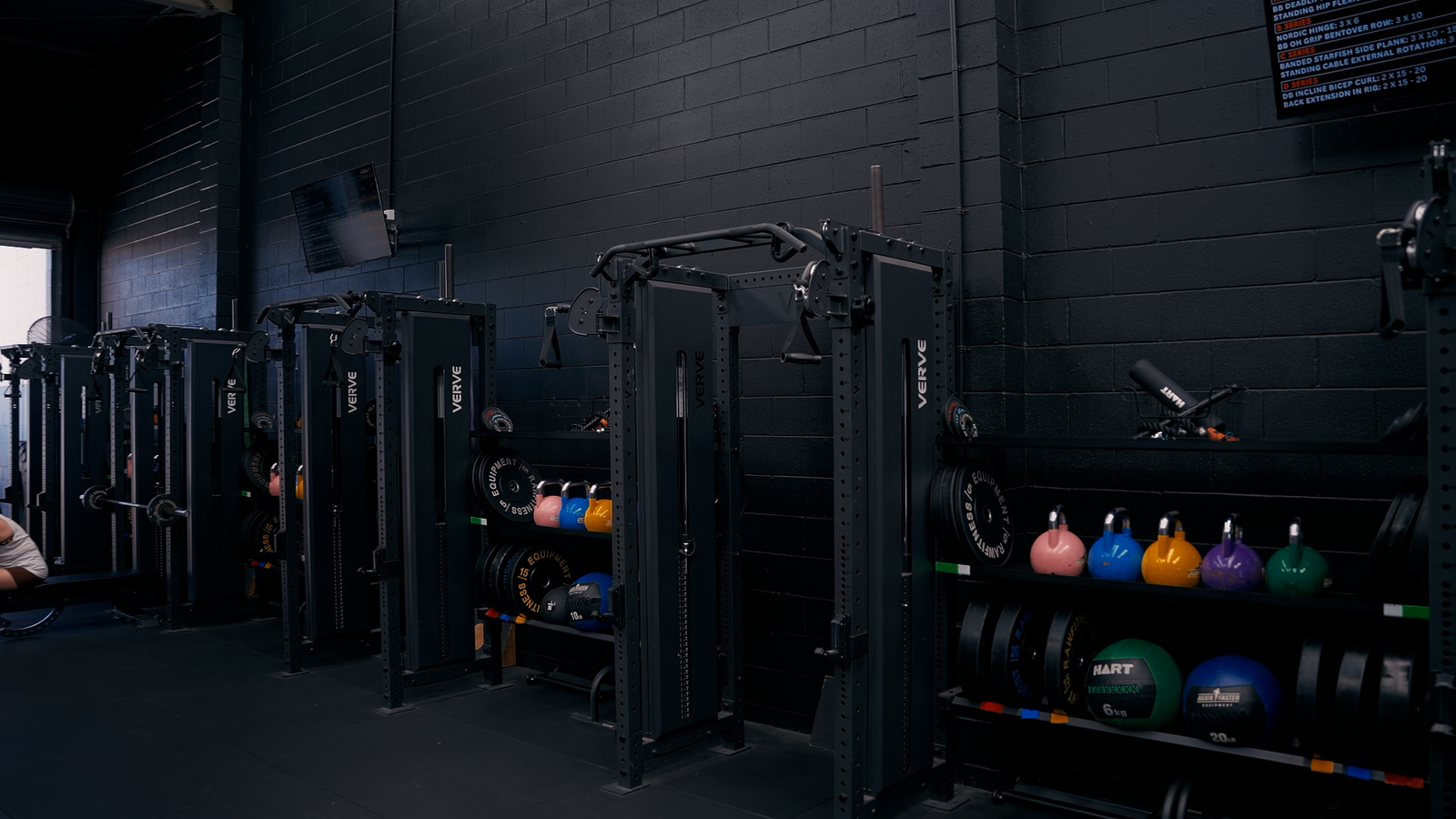
Because there's no staff member to spot a loose bolt or a fraying cable before the next member uses the machine, equipment choice matters more in a 24/7 gym than almost anywhere else. Commercial-grade strength stations such as the VERVE Zen Power Rack and cardio pieces such as the VERVE Commercial Air Bike are built for the duty cycle a 24/7 floor puts on equipment, and buying in stock rather than made-to-order gear means a damaged unit can be replaced quickly instead of leaving a gap on the floor for weeks.
Costs, Timeline and Compliance Sign-off
Budget the same way you would for any gym fit-out, then add the access control hardware, cameras and monitoring contract as a specific line item, since these aren't optional extras in a 24/7 model, they're core infrastructure. Council and certification sign-off tends to take longer for an unmanned facility than a staffed one, because egress, signage and security get closer scrutiny, so build extra time into your timeline. Our council approval guide and cost to open a gym guide cover the process and numbers in more depth. You can also model your own numbers for free with the financial planner tool, sign up with your email.
Plan Your 24/7 Floor Before You Sign a Lease
Send us your floor plan and most founders have renders back within a week, then a video walkthrough and as many layout changes as it takes.
Request Your Free DesignFrequently asked questions
What should I charge for a 24/7 gym membership in Australia?
24/7 access memberships typically price at $15 to $25 a week. That's lower than a group training or reformer studio because members are paying for unsupervised access rather than a coached service, and the model relies on member volume rather than a premium price.
How many members does a 24/7 gym need to break even?
A 200 to 300 sqm hybrid facility commonly needs 120 to 250 members to break even, and a pure open-access 24/7 site usually needs to sit toward the higher end of that range since there's no group training or PT revenue lifting the average spend per member.
Do I still need staff if the gym is open 24/7?
Yes. Most 24/7 sites run staffed hours for part of the day, often for classes or PT, and cover the unattended hours with access control, monitoring and a contracted security response rather than a physical presence around the clock.
What access control do I need for an unmanned gym?
A fob, card or app-based entry system tied to your membership software so access suspends automatically when a payment fails or a membership is frozen, plus CCTV and duress alarms covering the full floor. Gym management platforms such as VERVE Pulse can handle app-based access alongside billing.
What compliance requirements are specific to 24/7 gyms?
Emergency egress signage and lighting, CCTV coverage, duress alarms and a documented incident response plan all get closer scrutiny for an unmanned facility at council and certification stage. Confirm exact requirements with your certifier and council, since they vary by state and by building.
Is 24/7 access suitable for a remote or regional site?
It can work well, particularly for shift-based workforces such as mining or industrial sites where demand exists outside normal gym hours. Freight and equipment serviceability become bigger planning factors the further the site is from a service technician.
What equipment holds up best on a 24/7 floor?
Commercial-grade equipment bought in stock rather than made to order, since there's no staff member to catch early wear and a damaged machine needs to be replaced quickly rather than leaving a gap on the floor.