


How Many Members Does a Gym Need to Be Profitable?
The Short Answer
A gym needs enough members paying enough per month to cover its fixed costs, plus a buffer. The typical break-even range for a 200 to 300 sqm hybrid facility in Australia is 120 to 250 members, depending on rent, staffing and price. Worked example: $28,000 in monthly fixed costs at a $260 a month blended membership price needs roughly 108 members to break even. Rent, staffing and your price per member are what move that number up or down.
The break-even formula
Break-even membership is simple in principle: your monthly fixed costs, divided by what an average member actually nets you each month, equals the number of members you need. Fixed costs means rent, staff wages, insurance, software and loan or lease repayments, the costs that do not go away whether you have 20 members or 200. Revenue per member means what you actually collect after allowing for the mix of price points across your membership base, since most gyms sell more than one plan.
The formula looks like this: break-even members equals monthly fixed costs divided by average net revenue per member per month. Get your fixed costs and your blended average price right and the rest is arithmetic. Get either one wrong and every other number in your business plan is wrong too, which is why this sits at the centre of the gym business plan pillar guide.
The mistake most founders make with this formula is not the maths, it is the inputs. "Average net revenue per member" is not your headline price, it is what you actually collect once you blend everyone on your books: full-price members, founding members still on a locked discount, family or off-peak rates, and the small number who are on a payment plan or occasionally miss a direct debit. A gym that sells itself on a $70 a week headline price but actually collects a blended $58 a week across the whole member base needs meaningfully more members to break even than the headline number suggests, so build your blended price from your real membership mix, not your top listed price.
Worked example: $28,000 fixed costs, $260 a month, about 108 members
Take a founder with $28,000 a month in fixed costs (rent, a lean staffing roster, insurance, software and loan repayments) and a blended membership price of $60 a week, which is $260 a month once you average across price points. Divide $28,000 by $260 and you land at roughly 108 members needed to break even.
That number moves the moment any input changes. Add a second full-time coach and fixed costs might climb to $34,000, pushing break-even to around 131 members at the same price. Raise the blended price to $70 a week instead, roughly $303 a month, and the same $28,000 in fixed costs only needs about 93 members. Neither rent, staffing nor price sits still in isolation, which is exactly why the range below is a range and not a single number.
Break-even by model
The model you run changes both your typical price per member and your typical sqm, which is why break-even member counts vary so widely by format.
| Model | Typical price | Typical footprint | Typical break-even members |
|---|---|---|---|
| Open gym (24/7 access) | $15 to $25 a week | 250 to 400+ sqm | 200 to 320 |
| Group training / coaching | $40 to $80 a week | 200 to 350 sqm | 90 to 170 |
| Hybrid (open gym + coaching) | blended $50 to $65 a week | 200 to 300 sqm | 120 to 250 |
| Reformer Pilates | $50 to $90 a week | 150 to 250 sqm | 70 to 150 |
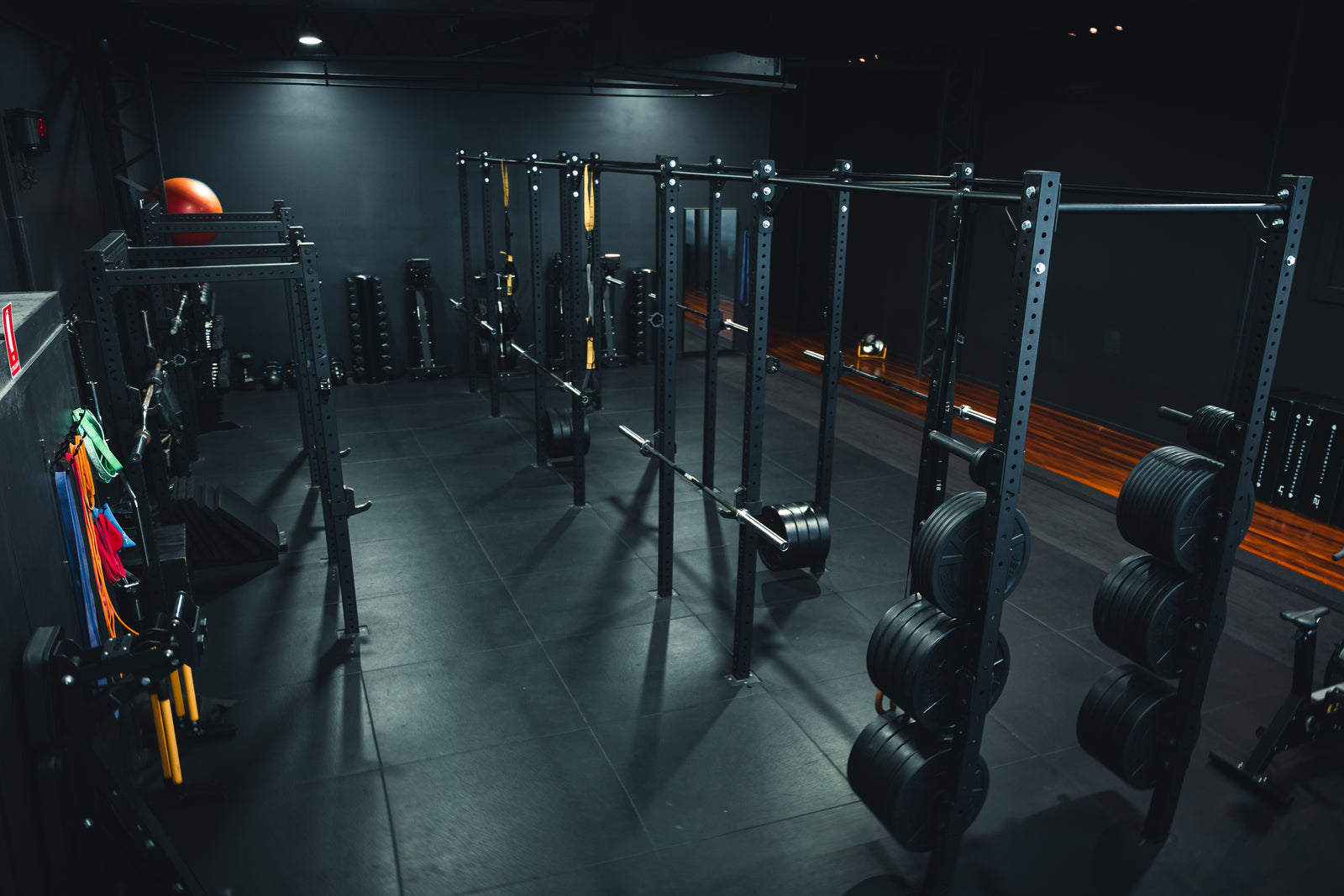
Open-gym 24/7 facilities charge the least per member, so they typically need the most members and the most floor space to reach the same profit. Group training and coaching charge more per member for a smaller footprint, so they typically reach break-even with fewer people. Hybrid facilities sit in the middle, which is why 120 to 250 members is the range most Australian founders quote for a 200 to 300 sqm hybrid site. Reformer Pilates studios, such as one built around a Pilates reformer floor, charge the most per member relative to their footprint, so a smaller room can still break even.
These are typical ranges, not a guarantee. The exact number for your gym depends on your actual rent, your actual staffing roster and the actual price mix you sell, not the model label on the door.
What moves the number: rent, staffing and price
Rent is usually the single biggest fixed cost and the one with the least flexibility once signed, so it deserves the most scrutiny before you commit to a lease (see the gym lease guide). A site that costs $2,000 a month more than another needs roughly 8 extra members at a $260 blended price just to stand still.
Staffing is the second lever and the one most founders underestimate. Every additional full-time role adds fixed cost whether the floor is full or empty, so staff up to match your realistic member number in the first 6 to 12 months, not the number you hope to reach in year three.
Price is the lever founders are most reluctant to pull and the one with the most leverage. Because break-even members are fixed costs divided by price, a genuine increase in blended price lowers the member number you need to survive, without adding a single extra body through the door. See gym membership pricing strategy for how to set that price without competing on being cheapest.
None of the three levers moves in isolation in the real world. A cheaper site usually comes with trade-offs elsewhere, a smaller catchment or a less visible position, that can make it harder to fill. A lean staffing model keeps fixed costs down but caps how much coaching-led revenue you can sell. The founders who get their break-even number right are the ones who model rent, staffing and price together against their actual site, rather than treating the 120 to 250 member range as a target to hit regardless of what those three inputs actually are.
See What Your Numbers Actually Need
Send us your floor plan and most founders have renders back within a week, plus an itemised quote that turns typical ranges into your real fixed costs.
Request Your Free DesignRamp to break-even: 6 to 12 months, faster with a pre-sale
Most Australian gyms take 6 to 12 months after opening to ramp from zero members to their break-even number. A well-run pre-sale compresses that timeline meaningfully, since a founder who opens with 30 to 50% of break-even already signed is starting the ramp from a much shorter runway than one who opens with an empty gym and a marketing plan.

Model your own number
The ranges above are a starting point, not a substitute for your own numbers. Every lease, staffing roster and price list is different, and the gap between "typical" and "yours" is exactly where founders get their business plan wrong. Run your own fixed costs and price mix through the financial planner, free and signed up with your email, and read the full maths behind it in the gym business plan pillar guide.
Get Your Free 3D Gym Design
Send us your floor plan and most founders have renders back within a week, then a video walkthrough and as many layout changes as it takes.
Request Your Free DesignFrequently asked questions
How many members does a gym need to break even?
Typically 120 to 250 members for a 200 to 300 sqm hybrid facility in Australia, though the exact number depends on your rent, staffing and price. Higher-price, smaller-footprint formats like Pilates and group training coaching often break even with fewer members; larger, lower-price 24/7 gyms usually need more.
What is the break-even formula for a gym?
Monthly fixed costs divided by your average net revenue per member per month. Fixed costs include rent, staff wages, insurance, software and loan or lease repayments.
How does price affect break-even members?
Directly. Because break-even members equals fixed costs divided by price, raising your blended average price lowers the number of members you need to survive, without adding a single new member.
How long does it take to reach break-even after opening?
Most Australian gyms take 6 to 12 months to ramp from opening day to their break-even member number. A pre-sale before opening shortens that runway meaningfully.
Does a Pilates studio need fewer members than a 24/7 gym to be profitable?
Typically yes, because reformer Pilates charges more per member for a smaller footprint, so fewer members are needed to cover a comparable level of fixed costs.
What is the biggest lever on my break-even number?
Rent is usually the biggest fixed cost and the hardest to change once signed, so scrutinise it hard before committing to a lease. Price is the lever with the most ongoing leverage because it moves your break-even number directly.
Where can I model my own break-even number?
Use the free financial planner tool, which takes your actual fixed costs and price mix rather than typical ranges, or read the full worked maths in the gym business plan pillar guide.