


Gym Membership Pricing Strategy: What to Charge in Australia (2026)
The Short Answer
Price your gym on the value you deliver, never on being the cheapest option in your area. Typical 2026 Australian bands are $15 to $25 a week for 24/7 open-gym access, $40 to $80 a week for group training and coaching, and $50 to $90 a week for reformer Pilates. Set a founding member rate that is genuinely discounted but converts cleanly to your full price, decide deliberately between contracts and no-lock-in, and raise prices on a schedule, not in a panic.
The 2026 Australian price bands
Membership pricing in Australia clusters into fairly consistent bands by model, though your exact number should always come from your own break-even maths, not a competitor's rate card.
| Model | Typical weekly price | What it usually includes |
|---|---|---|
| Open gym (24/7 access) | $15 to $25 | Card or app access, equipment floor, no coaching |
| Group training / coaching | $40 to $80 | Programmed sessions, coach-led, community |
| Reformer Pilates | $50 to $90 | Instructor-led reformer classes, smaller class sizes |
| Hybrid (open gym + coaching) | blended $50 to $65 | Access plus a set number of coached sessions |
These bands hold across most Australian metro and regional markets, though rent and local competition shift the top and bottom of each range. A high-rent metro suburb with several established gyms nearby usually sits toward the top of its band, since the facility needs to justify itself against real alternatives a member could walk to. A regional town with one or two options can often sit toward the top of its band too, for the opposite reason: there is little competitive pressure pulling the price down, and members are paying for genuine local access rather than choosing between five nearby gyms. What almost never changes the correct answer, in either setting, is undercutting everyone else on price.
Price on value, never on being cheapest
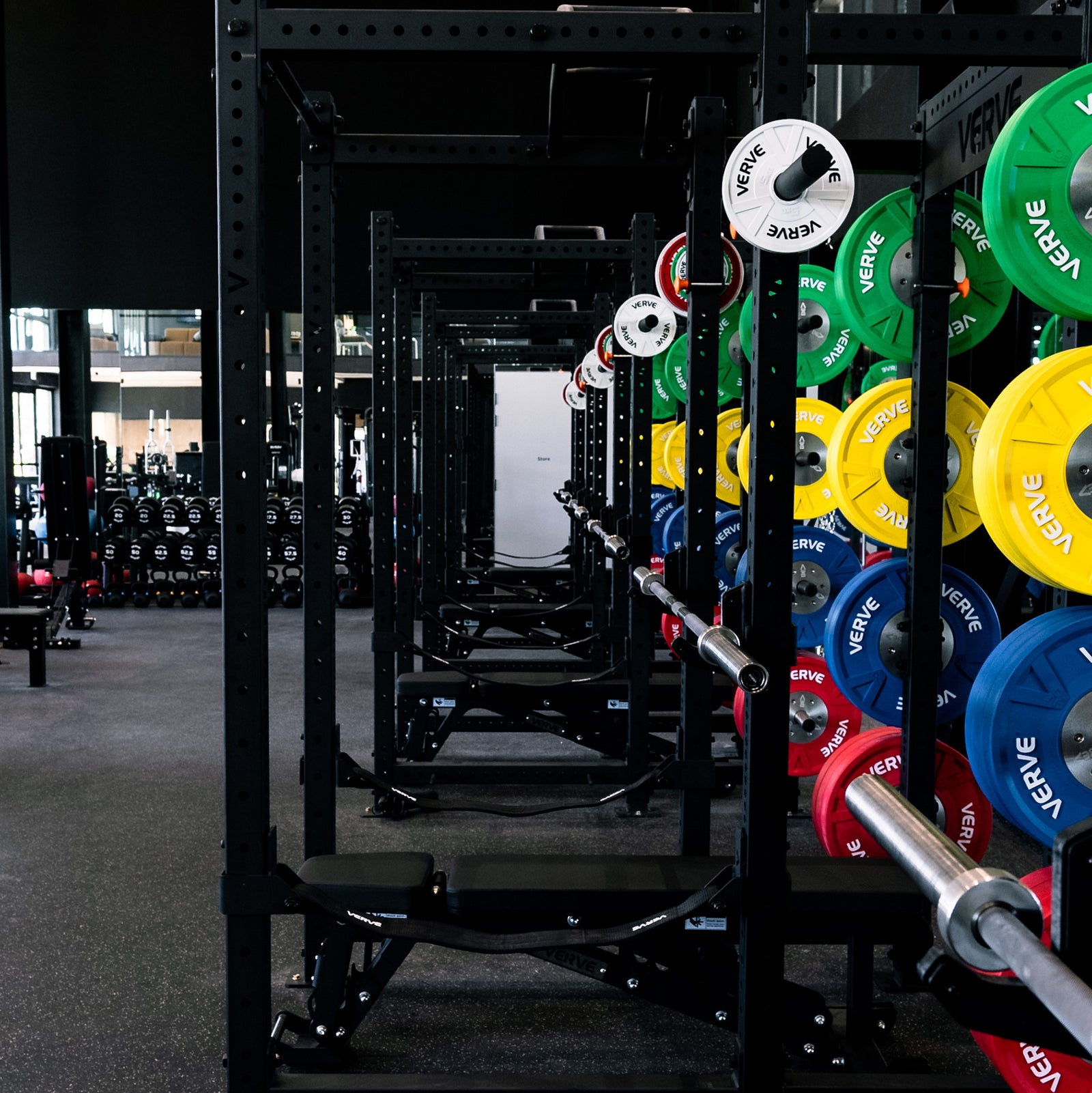
The gym that wins long-term membership is very rarely the cheapest one in the postcode. Competing on price attracts members who leave the moment someone else drops theirs lower, it starves you of the margin needed to keep equipment, coaching and the facility itself in good shape, and it makes every future price rise feel like a betrayal instead of a reasonable adjustment. Price on what a member actually gets: real coaching, equipment that is not falling apart, a facility that feels considered rather than bare-bones, and community. That is what a founding member is backing, and it is what justifies a full price that holds.
Founding rates that convert to full price
A founding member rate only works if it is a genuine discount off a price you can actually defend, not a number invented to get signups. Set your everyday full price first, using the bands above and your own break-even maths, then set the founding rate as a real, locked-for-life discount below it, closed off on a hard deadline. See the full playbook in the gym pre-sale guide. Founding members who joined on a genuine discount rarely complain when new members pay more later, because the deal they got was clearly earned by backing you early, not an accident of bad pricing.
Contracts vs no-lock-in: the trade-offs
Both models work in the Australian market and the right choice depends on what you are selling.
| Contract (fixed term) | No-lock-in (month to month) | |
|---|---|---|
| Pros | Predictable revenue, lower churn risk, easier to forecast cash flow | Easier to sell, lower resistance at sign-up, suits access-only models |
| Cons | Higher resistance at sign-up, cancellation disputes to manage | Revenue less predictable, retention has to be earned every month |
Group training and coaching businesses, where the value is delivered person to person, more commonly use a minimum term because the coaching cost is committed regardless of attendance. Open-gym 24/7 access, where the marginal cost of one more member is close to zero, more commonly runs no-lock-in and competes on flexibility instead. Whichever you choose, put it in writing clearly and confirm your member agreement wording with a lawyer before you use it, particularly around cancellation and any minimum term (see legal basics for gym owners).
Some founders run a hybrid of the two: no-lock-in as the default, with a modest discount for members who choose to commit to a fixed term upfront. That gives you a base of more predictable revenue without forcing every member into a contract they may resist at sign-up, and it lets the member choose the trade-off that suits them rather than you choosing it for the whole business.
See Your Pricing Reflected in a Real Design
Send us your floor plan and most founders have renders back within a week, plus an itemised quote that shows exactly what a member is actually paying for.
Request Your Free DesignHow and when to raise prices
Raise prices on a schedule, not as a panic reaction to rising costs. An annual review, timed to a natural point such as the new financial year, is easier for members to accept than an unplanned increase mid-year. Give existing members clear notice, explain the reason briefly and honestly, and consider grandfathering long-standing members at a smaller increase if retention matters more than maximising the number in the short term. New members joining after the increase simply see the new price; they have nothing to compare it to.
The gyms that struggle here are the ones that never raise prices at all, then find themselves years later needing a large jump just to keep up with rent and wages, which is a much harder conversation than several small ones along the way.
Price by model: what changes the number
Within each band, your actual number depends on the same handful of factors: your rent, the strength of local demand, how differentiated your offer is, and your break-even maths. A facility adding a sauna and ice bath recovery zone, a 2026 trend among Australian strength facilities, has a genuine reason to sit toward the top of its band rather than the bottom, because it is selling more than open-gym access.

Facilities widening into recovery or reformer Pilates rooms are not just adding revenue lines, they are adding a reason for existing members to pay more and for new members to pick them over a cheaper, plainer alternative. See adding a recovery zone to your gym and adding reformer Pilates to an existing gym for how that fits into an existing facility.
Common pricing mistakes
- Setting the everyday price to match the cheapest competitor instead of your own break-even maths
- Discounting the founding rate so deeply it becomes the price members expect forever, not a genuine early-bird reward
- Running a single flat price across every model, rather than pricing open-gym access, coaching and Pilates differently to reflect what each actually costs to deliver
- Never reviewing price at all, then needing one large, unpopular increase instead of several small, expected ones
- Advertising a headline price that does not match what most members actually end up paying once discounts and promotions are applied, which damages trust the moment a member compares notes with someone else
Get Your Free 3D Gym Design
Send us your floor plan and most founders have renders back within a week, then a video walkthrough and as many layout changes as it takes.
Request Your Free DesignFrequently asked questions
What should I charge for gym membership in Australia?
Typical 2026 bands are $15 to $25 a week for 24/7 open-gym access, $40 to $80 a week for group training and coaching, and $50 to $90 a week for reformer Pilates. Your exact price should come from your own break-even maths, not just the band.
Should I be the cheapest gym in my area?
No. Competing on price attracts members who leave the moment a cheaper option appears and starves you of the margin to keep equipment and coaching in good shape. Price on value and quality instead.
How big should a founding member discount be?
Genuine enough to reward early support, set below a full price you can actually defend using your own break-even maths, and locked for life with a hard deadline so it does not undermine your everyday price later.
Should my gym use contracts or no-lock-in memberships?
It depends on your model. Coaching and group training businesses more commonly use a minimum term because the coaching cost is committed regardless of attendance; open-gym 24/7 access more commonly runs no-lock-in. Confirm your member agreement wording with a lawyer either way.
When is the right time to raise gym membership prices?
On a schedule, ideally an annual review timed to a natural point like the new financial year, rather than as a reaction to rising costs. Give clear notice and consider grandfathering long-standing members.
Does adding a recovery zone or Pilates room justify a higher price?
Often, yes. A facility that offers more than open-gym access, such as a sauna, ice bath or reformer Pilates room, has a genuine reason to sit toward the top of its price band.
How do I know if my price is actually right?
Run it through your break-even maths. If your price and expected member number do not cover your fixed costs with a buffer, the price is not right yet, regardless of what competitors charge.