


Council Approval for a Gym in Australia: DA, Use Class and Timelines
The Short Answer
Most gyms in Australia need council approval before opening, because commercial gyms usually sit under a different planning use class to the retail, industrial or warehouse space they are moving into. Expect a change of use application or development approval (DA), checks on parking and acoustic impact, and sometimes a private certifier for building works. Typical cost is $2,000 to $10,000 and timing ranges from a few weeks to several months. Confirm requirements with your council before you sign a lease.
Every Australian council runs its own planning scheme, so the exact process for approving a gym changes from one local government area to the next. What does not change is the sequence: confirm the use class, understand what building and safety requirements come with it, budget for the approval itself, and build the timeline into your lease negotiation. Get this wrong and you can sign a lease on a space you are not allowed to fit out as a gym, which is the single most expensive mistake a new gym owner can make.
Why most gyms need council approval before they open
Commercial premises are zoned and classified for a specific use under the National Construction Code and your local council's planning scheme. Retail shops, offices, warehouses and gyms are usually treated as different uses, even inside the same zoning, such as a commercial or industrial zone. That means the space you are eyeing off, even if it looks empty and ready to go, may not be legally approved to operate as a gym.
If the premises already operated as a gym, indoor recreation facility, health studio or similar, you may only need to confirm the existing use covers what you plan to do: same operating hours, same activities, same occupant numbers. If it was previously a shop, office, showroom or warehouse, you will almost always need a change of use application, sometimes bundled into a development application, before council will let you fit it out and open.
This is not paperwork you can skip because you are eager to open. Operating without the right approval puts your lease, your insurance and your ability to trade at risk, and councils do act on complaints from neighbours or competitors.
The indoor recreation use class varies by council
Every state and territory runs its own planning system, and each council within that state applies its own local planning scheme on top. The use class that covers a gym goes by different names in different places: indoor recreation facility, place of assembly, gymnasium, health studio, fitness centre. Some schemes treat a gym as a form of retail or commercial use in some zones and as a standalone use class in others.
This matters because the use class determines what other approvals attach to your gym: parking ratios, acoustic requirements, hours of operation, and sometimes signage rules. It also determines whether your use is permitted outright, permitted with consent, or prohibited in a particular zone. There is no shortcut here: call your council's duty planner, most take phone or counter enquiries for exactly this kind of question, and describe your proposed gym, including hours, class sizes and whether you plan 24/7 access, before you get too far into site selection.
Parking ratios: what councils actually check
Parking is one of the most common reasons a gym application gets delayed, especially in strip retail and industrial estates that were not designed with high foot traffic in mind. Councils generally set a minimum number of car spaces per 100 square metres of gross floor area, or per expected peak occupant number, and a gym with group classes or peak-hour rushes can trigger a higher ratio than a quiet retail shop of the same size.
Before you commit to a site, count the car spaces genuinely available to your business, not just what is on the plan, but what is actually usable and not already allocated to another tenant, and ask your leasing agent or the landlord for the site's approved parking allocation. If the ratio falls short, some councils will accept a parking impact assessment, a reduction in peak class sizes, or a financial contribution in lieu, but all of that adds cost and time you should know about before you sign anything.
Acoustic reports: when group classes and 24/7 access change the picture
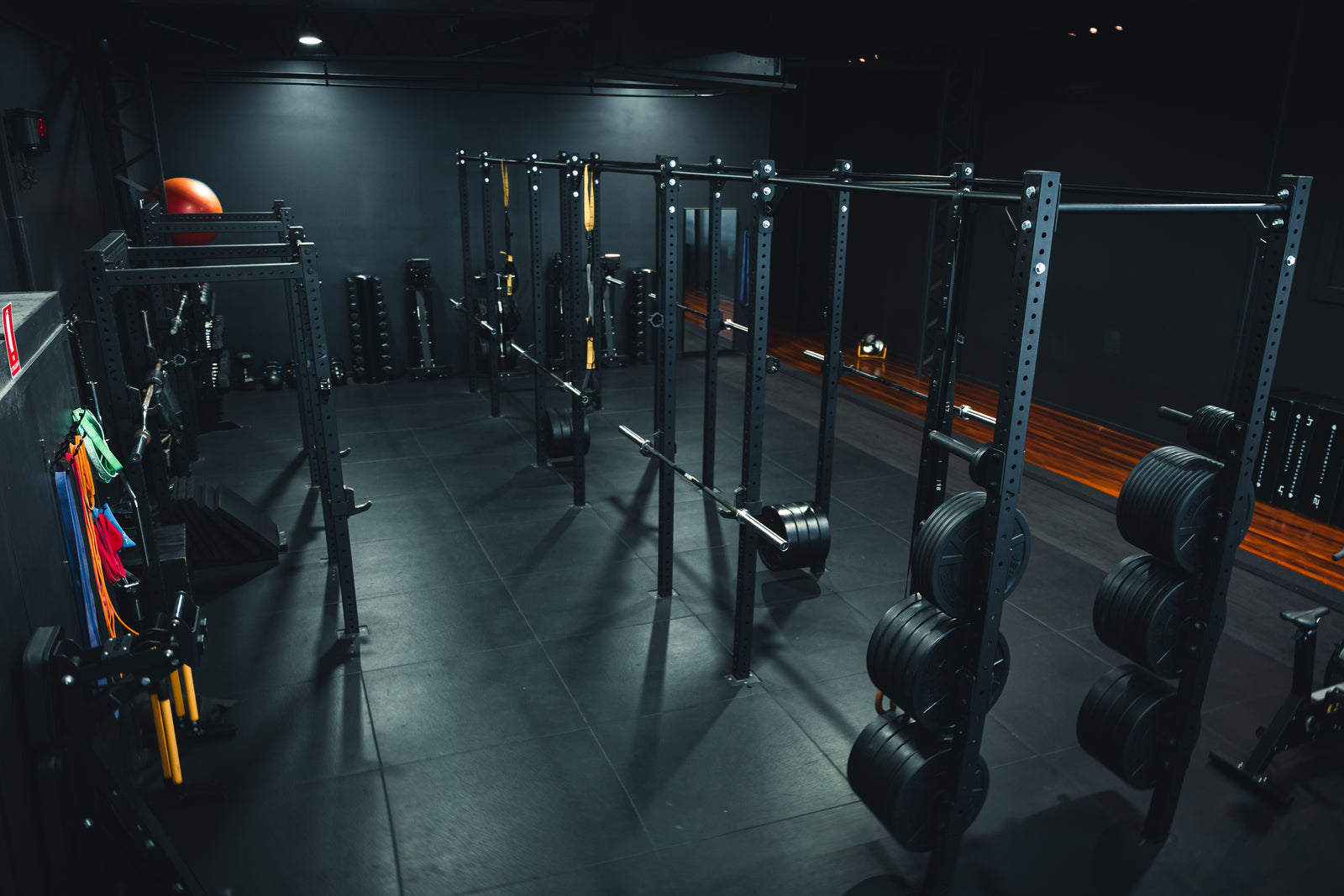
A single-storey gym with individual training and no shared walls to a neighbour is a straightforward approval in most cases. Add group classes with music, a boxing or combat area, dropped weights, or 24/7 unstaffed access, and most councils will ask for an acoustic report from a qualified acoustic engineer, particularly if you share a wall, floor or ceiling with a residential tenancy, hotel or another noise-sensitive business.
An acoustic report assesses noise transmission through walls, floors and ductwork against the relevant criteria for the site and, where needed, recommends treatment such as extra insulation, isolated flooring, door seals, or limits on speaker volume or class times. Build this into your budget and your fit-out program early. Retrofitting acoustic treatment after your rig, flooring and mirrors are already installed costs far more than designing it in from the start; our gym floor layout guide covers where to place high-noise zones relative to shared walls.
See Your Gym Layout Before You Build It
Send us your floor plan and most founders have renders back within a week, then a video walkthrough and as many layout changes as it takes. It also gives you a plan to hand your town planner or acoustic engineer.
Request Your Free DesignBuilding works and when a private certifier gets involved
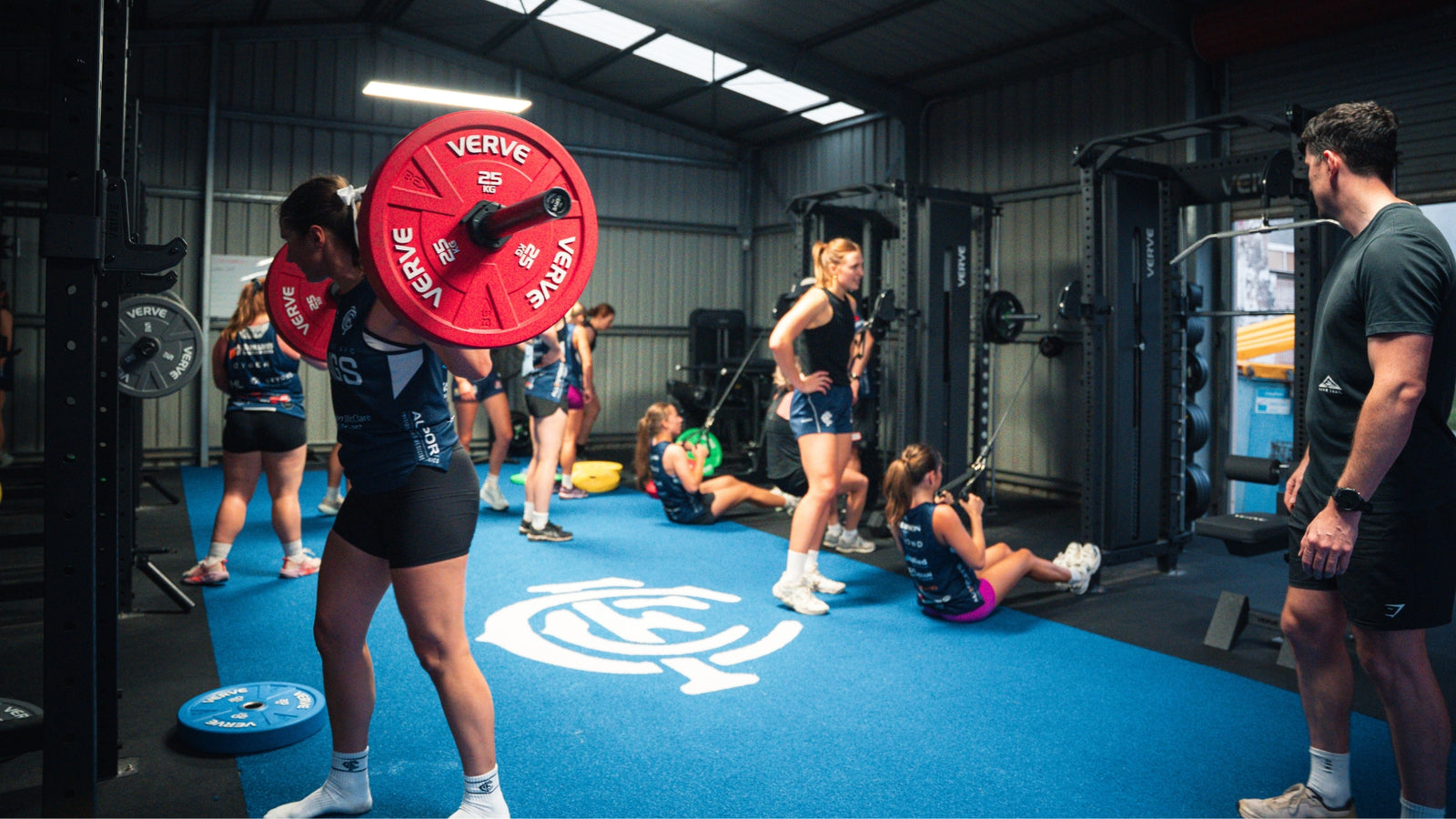
Council approval for the use, the change of use or DA, is a separate process to building approval for the physical works. If your fit-out involves structural changes, new walls, altered exits, plumbing for showers and toilets, or changes to fire safety systems, you will also need a building permit, and in most states that work is signed off by a private certifier rather than council staff directly.
A good building designer, builder or fit-out contractor who has done gyms before will usually know which certifier to engage and can run the building approval in parallel with your DA or change of use, which is one of the biggest levers you have for keeping your total timeline down. Ask any contractor quoting your fit-out whether they have handled gym change of use and building approval before, and ask for a reference.
What council approval typically costs and how long it takes
Budget $2,000 to $10,000 for council and certification costs on a typical independent gym fit-out, on top of the building works themselves. Where you land in that range depends on how far the site is from an already-approved gym use, whether an acoustic report is required, and how many rounds of information council asks for. Timing can run from a few weeks for a straightforward, already-approved use to several months where a full DA, public notification or acoustic assessment is involved.
| Factor | Effect on cost and timing |
|---|---|
| Space was already an approved gym or indoor recreation use | Fastest and cheapest option, sometimes no new approval needed, always confirm in writing |
| Converting retail, office or warehouse space to a gym | Full change of use or DA usually required, adds weeks |
| Group classes or 24/7 unstaffed access | Often triggers an acoustic report and sometimes a parking or traffic review |
| Structural building works: walls, exits, plumbing | Needs a separate building permit and usually a private certifier |
| Council notification or objection periods | Can add weeks regardless of how complete your application is |
The golden rule: confirm before you sign the lease
Everything in this guide points at the same rule: confirm council approval requirements in writing before you sign a lease, not after. A verbal assurance from a leasing agent that gyms are fine here is not council approval, and a five-year lease with no exit clause for a failed DA can leave you paying rent on a space you cannot legally operate. Ask your council in writing, email, not just a phone call, whether the use is permitted, what triggers a DA, and what parking and acoustic requirements apply, and make your lease conditional on getting that approval. Our gym lease guide covers exactly how to build that condition into an offer, and the free lease reviewer tool (free, sign up with your email) flags this kind of clause automatically.
Once the site and the use are confirmed, the cost to open a gym and the fit-out timeline both become far easier to plan, because you are no longer carrying the risk of an approval that might not land.
Confirm Your Site Before You Sign
Send us your floor plan, even a rough one, and we will help you plan a layout that fits council parking and acoustic requirements, with renders back within a week.
Request Your Free DesignFrequently asked questions
Do I need council approval to open a gym in Australia?
In most cases, yes. Commercial premises are approved for a specific use, and a gym is usually a different use class to retail, office or warehouse space. If the site was not already operating as a gym or indoor recreation facility, you will typically need a change of use application or development approval before you can fit it out and open.
What is a change of use application?
A change of use application asks council to approve a property being used for a different purpose than its current approval, for example converting a retail shop or warehouse into a gym. Depending on the council and the scale of works, it may be processed on its own or combined into a broader development application (DA).
Does a 24/7 or group class gym need extra council approval?
Often, yes. Unstaffed 24/7 access and group classes with music both increase the chance council will ask for an acoustic report, and 24/7 access can also raise questions about parking, lighting and security that a standard business-hours gym would not face. Confirm this with your council early, since it affects your fit-out design.
What is a private certifier and do I need one?
A private certifier is a qualified professional, licensed under state building legislation, who assesses and approves building work against the National Construction Code, in place of council building staff. Most gym fit-outs involving structural work, new exits or plumbing changes will need a certifier as part of the building approval process, separate from the use approval.
How much does council approval for a gym typically cost?
Typical council and certification costs for an independent gym fit-out run $2,000 to $10,000, depending on how much the use is already approved, whether an acoustic report is needed, and how many rounds of information the council requests. Always confirm current fees with your specific council, since they vary.
How long does council approval take?
It ranges widely, from a few weeks for a straightforward, already-approved use through to several months where a full DA, acoustic report or public notification period applies. Build this timing into your lease negotiation rather than assuming it will run in the background while you fit out.
Should I get council approval sorted before signing a lease?
Yes. Confirm in writing with the council that your intended use is permitted, and make any lease offer conditional on that approval, or on a defined period to obtain it. Signing an unconditional lease before council approval is confirmed is one of the costliest mistakes a new gym owner can make.