


Franchise vs Independent Gym: What's Right for You in Australia (2026)
The Short Answer
A gym franchise buys you a known brand, a proven system and built-in member acquisition, in exchange for upfront fees, ongoing royalties, and a fit-out and equipment list you don't get to change. Going independent costs less on the way in and gives you full control over pricing, layout and brand, but you carry all the marketing and systems risk yourself. Neither is objectively better: the right call depends on whether you value a proven playbook more than you value control.
Every founder weighing up a franchise against going independent is really asking the same question in different words: do I want to buy a system, or do I want to build one? Both paths lead to the same destination, a working gym business, but the money, the control and the risk are distributed very differently along the way. This guide sets out what a franchise actually gives you, what it costs, and an honest framework for deciding which path fits your situation. We won't name specific franchise brands here, since the right one for you depends on category, territory and terms you need to assess for yourself.
What a Franchise Actually Gives You
A franchise's core offer is a system you don't have to build from scratch: a recognised brand, operating manuals, a marketing playbook, and often a national app or booking platform members already trust before they've walked in the door. Many franchise groups also bring group buying power on equipment and supplies, ongoing training for staff, and a support network of other franchisees who've already solved the problems you're about to hit for the first time. For a first-time operator with no existing brand recognition in their area, that head start can be worth a lot in the first twelve months.
What a Franchise Costs You
That system isn't free, and it doesn't stop costing you once you've opened. Franchise agreements typically involve an upfront franchise fee, an ongoing royalty calculated as a percentage of revenue, and often a separate marketing levy on top. Fit-out and equipment are usually mandated to a brand standard, which limits your ability to shop around or adapt the layout to your specific site. Exact fees, royalty percentages and equipment lists vary enormously between franchise groups and change over time, so treat any number you hear secondhand as a starting point, not a fact, and get the real figures from the disclosure document.
Under the Franchising Code of Conduct, a franchisor is required to give you a disclosure document before you sign, setting out fees, obligations and the franchise's financial history. Have a lawyer experienced in franchising review that document and the agreement itself before you commit, and have your accountant model the royalty and marketing levy against realistic revenue, not the franchise's own projections.
| Factor | Franchise | Independent |
|---|---|---|
| Brand recognition | Built in from day one | You build it yourself |
| Upfront cost | Franchise fee plus fit-out to a mandated standard | Fit-out cost only, no franchise fee |
| Ongoing fees | Royalty and marketing levy, check the disclosure document | None |
| Equipment and design choice | Often mandated brand and equipment list | Your choice, fitted to your budget and site |
| Marketing | National campaigns plus local support | You run it yourself, or hire it out |
| Exit or sale | Governed by the franchise agreement's terms | You set the terms |
The Independent Path, With a Fit-Out Partner
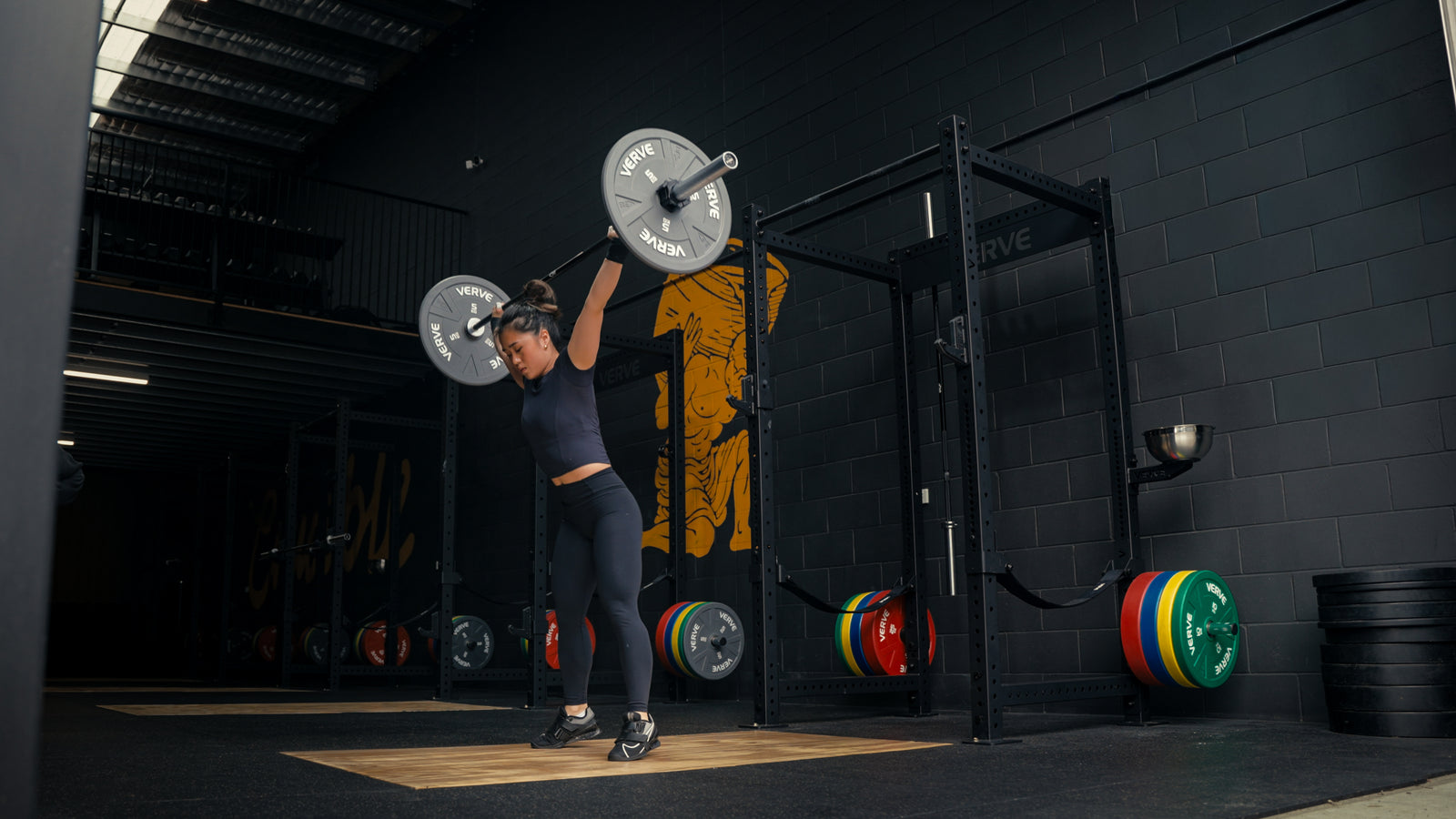
Going independent means replacing the franchise's systems with your own choices, and a good fit-out partner can cover a meaningful part of that gap on the equipment and design side. Working with one partner from design through to delivery and installation, on one invoice, gives an independent founder something close to a franchise's fit-out certainty without the mandated brand or the ongoing fee. What a fit-out partner can't replace is your marketing engine and your systems for running the business day to day, which you'll need to build or buy separately. Our gym marketing in the first 12 months guide, gym lease guide and legal basics for gym owners guide cover the pieces an independent founder has to handle themselves.
See Your Independent Fit-Out Before You Sign a Lease
Send us your floor plan and most founders have renders back within a week, then a video walkthrough and as many layout changes as it takes.
Request Your Free DesignThe Decision Framework
There's no universally right answer here, but these questions tend to surface it quickly.
- Do you already have a way to acquire members, whether that's a network, a following or hands-on sales experience, or are you relying on a brand to bring people through the door?
- How much capital do you have, and would you rather put it into franchise fees and royalties or into your own equipment and marketing budget?
- Do you want to set your own pricing, programming and brand identity, or would you rather follow a playbook that's already been tested?
- Is there already a well-established gym of the type you're planning in your area? A strong independent brand can differentiate more easily than another location of a franchise members already know.
- How do you want to exit eventually? A franchise agreement will set terms around resale that an independent business owner sets for themselves.
A Middle Path: Independent With Someone Else's Playbook
You don't have to choose between a full franchise and building everything from nothing. Plenty of independent founders hire an experienced general manager or head coach who's run a gym before, pay for business coaching or a consultant in the first year, or join an owner network to trade notes with other independent operators. None of that comes with a royalty attached, and it can close a meaningful part of the systems gap a franchise would otherwise fill.
The same logic applies to software and marketing. An independent gym can license the same category of management platform, booking system and payment processing a franchise member app relies on, without the franchise fee sitting on top. What you're paying for in a franchise isn't the software itself, it's the brand recognition and the fact someone else has already tested what works.
Costs Either Way: What to Budget For
Whichever path you choose, the underlying gym economics don't change. Most independent founders open in 150 to 400 sqm and spend $50,000 to $200,000 on equipment, with an all-in typical range of $90,000 to $300,000 once fit-out, bond, council approval and insurance are included, per our cost to open a gym guide. A franchise adds fees and royalties on top of that base, an independent build adds the cost of building your own systems and marketing instead. If equipment finance is part of your plan either way, our gym equipment finance guide covers common structures such as chattel mortgage. You can also compare lease terms for free with the lease reviewer tool or model your numbers with the financial planner, both free, sign up with your email.
Get Your Free 3D Gym Design
Send us your floor plan and most founders have renders back within a week, then a video walkthrough and as many layout changes as it takes.
Request Your Free DesignFrequently asked questions
Is a gym franchise a safer option than going independent?
Not automatically. A franchise reduces some risks, brand recognition and a tested system, but adds franchise fees and royalties, and locks you into a mandated fit-out and equipment list. Going independent removes those ongoing costs but shifts marketing and systems risk onto you.
How much does it cost to buy a gym franchise in Australia?
Franchise fees, royalty percentages and mandated fit-out standards vary widely between franchise groups and change over time. The Franchising Code of Conduct requires a disclosure document setting out these figures before you sign, and a franchising lawyer should review it with you.
Can I choose my own equipment in a franchise gym?
Usually not entirely. Most franchise agreements mandate a brand standard and, often, an approved equipment list, which limits how much you can adapt the fit-out to your site or budget compared with an independent gym.
What does an independent gym founder have to build that a franchise provides?
Mainly brand recognition, a marketing system, and operational playbooks. Some of that gap can be closed by hiring experienced staff, working with a fit-out partner for design and equipment, or paying for business coaching in the first year.
Is it cheaper to open an independent gym than a franchise?
Generally yes on the ongoing side, since independent gyms don't pay franchise fees or royalties. Upfront fit-out and equipment costs are broadly similar either way, since both need to meet the same commercial equipment standard.
How do I decide between franchise and independent?
Weigh whether you already have a way to bring in members without a recognised brand, how much capital you'd rather put into fees versus your own equipment and marketing, and whether you want to set your own pricing and programming or follow a tested system.