The Short Answer
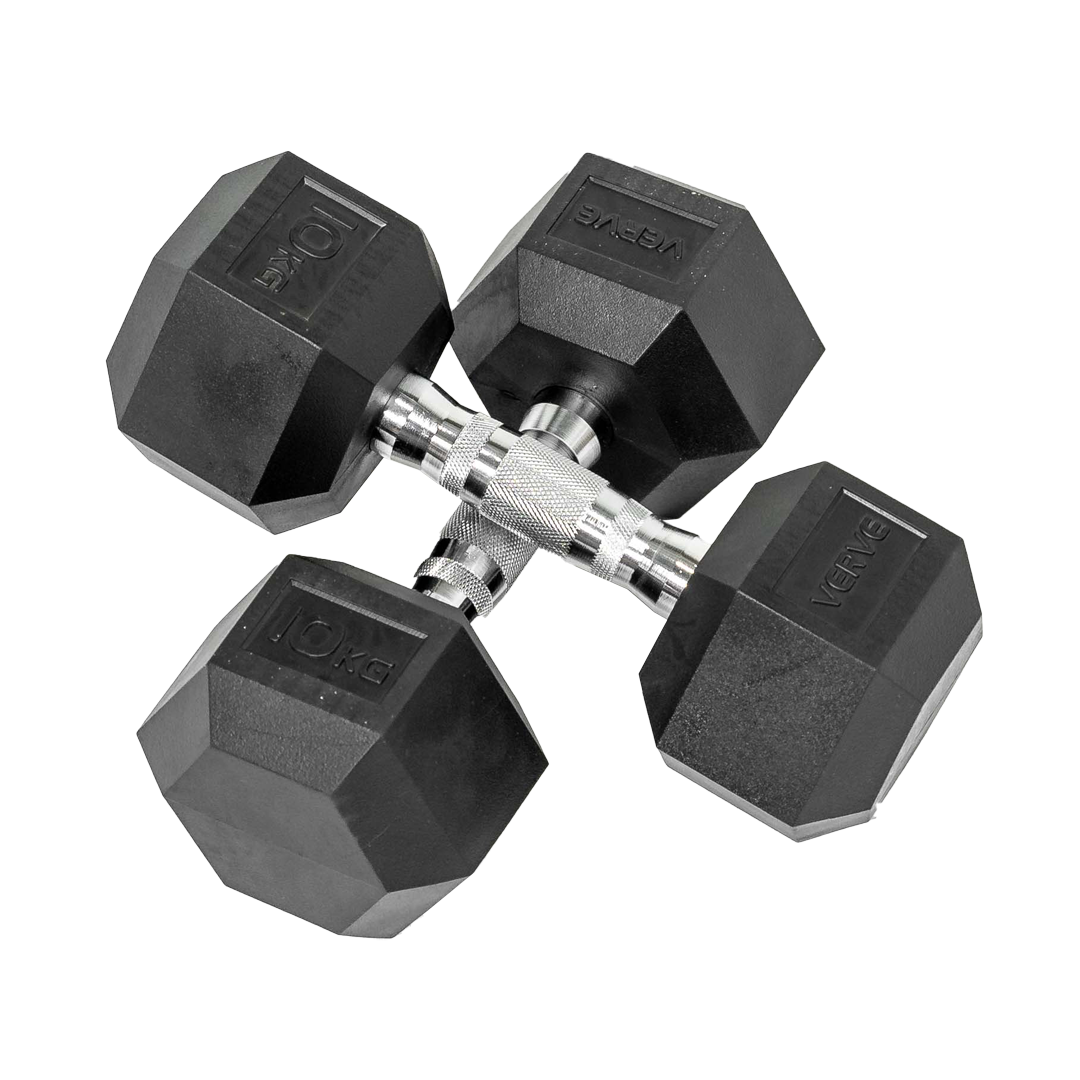
Strength training means lifting progressively heavier loads so your muscles can produce more force, usually with a barbell, dumbbells or machines. Functional training means training the movements you use in sport and daily life (squatting, hinging, pushing, pulling, carrying and rotating), often standing, on one leg or at speed, with kettlebells, sleds, medicine balls and cables. Strength training builds the engine; functional training teaches you to use it. Most people get the best result from doing both, which is what Australia's movement guidelines recommend: muscle-strengthening activities on 2 or more days a week and functional activities for mobility, balance and coordination on 3 or more days a week.
Source: Australia's 24-hour movement guidelines, adults 18 to 64, last updated June 2026.
What is strength training?
Strength training, also called resistance training, is any training where your muscles work against a load that you increase over time. The idea that defines it is progressive overload: as your body adapts, you add weight, reps or sets so the work stays hard enough to drive change.
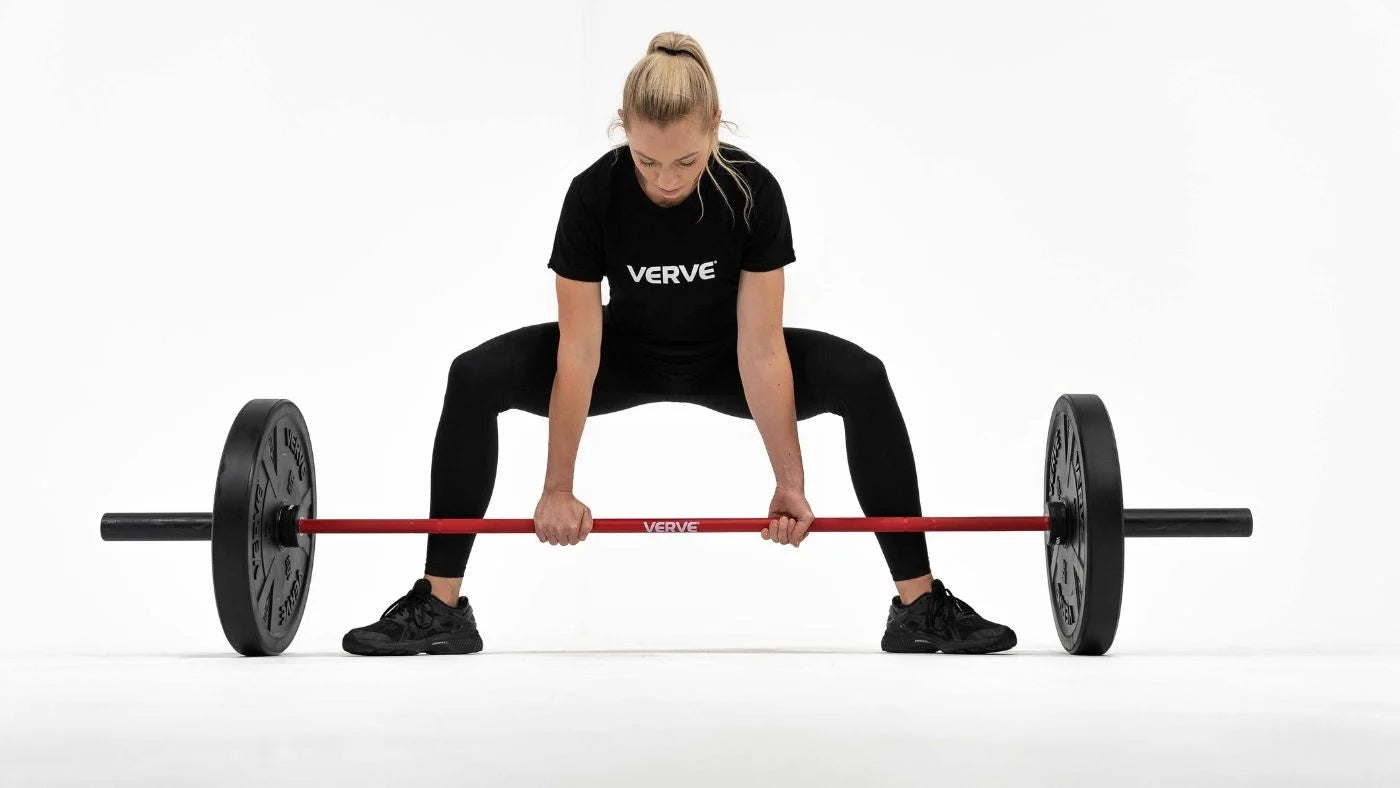
A typical strength session is built on a handful of big lifts such as the squat, deadlift, bench press, overhead press and row. You do a few hard sets of low to moderate reps with full rest between them. The movements are deliberately stable, mostly two-footed and in one plane, because stability is what lets you load them heavily and safely.
What it is best at: building muscle, building maximal strength, and loading your bones and connective tissue, which matters more every decade you get older. It is also the easiest kind of training to measure. If the weight on the bar is going up, it is working.
What is functional training?
Functional training trains movements rather than individual muscles. The goal is for the strength and fitness you build to carry over to something outside the gym, whether that is a sport, a physical job, or picking up a child and a bag of shopping at the same time.
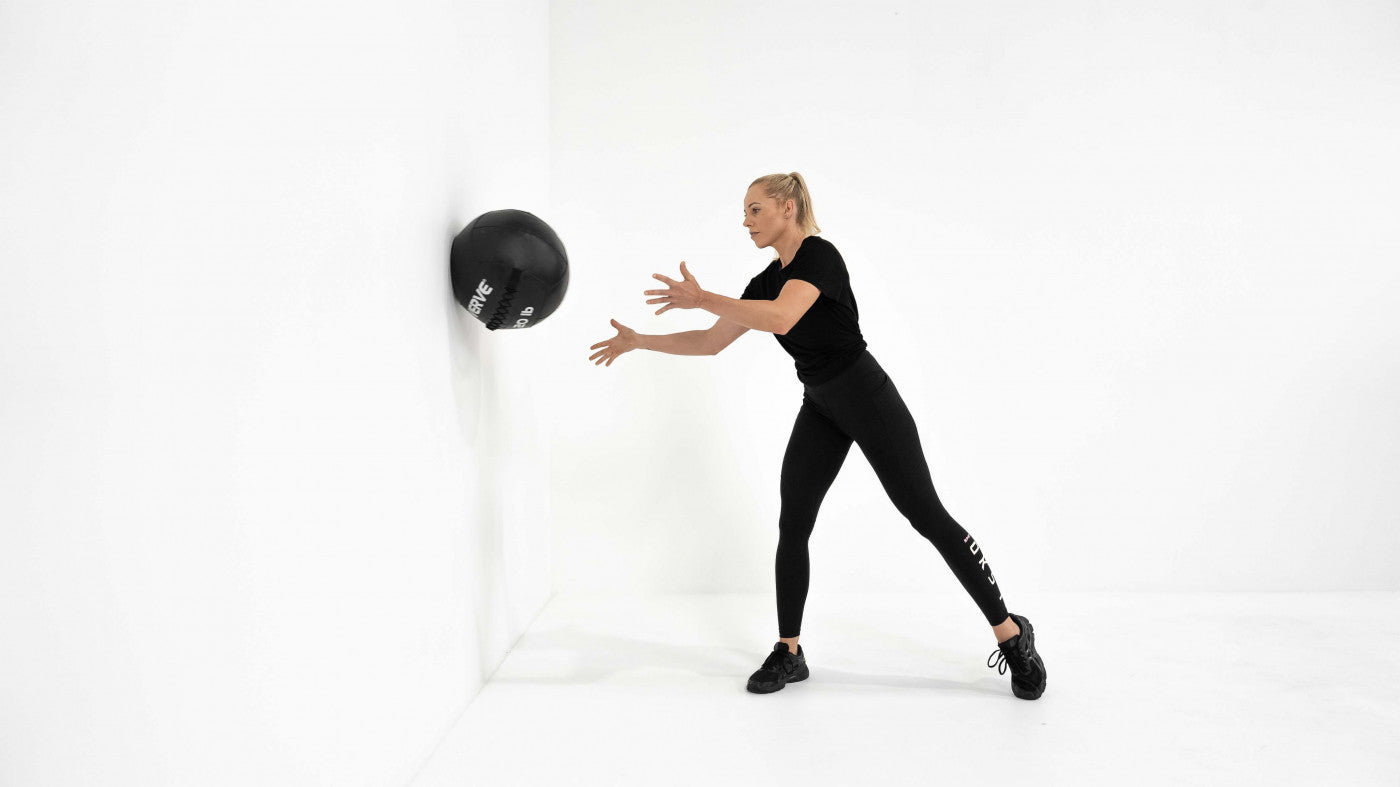
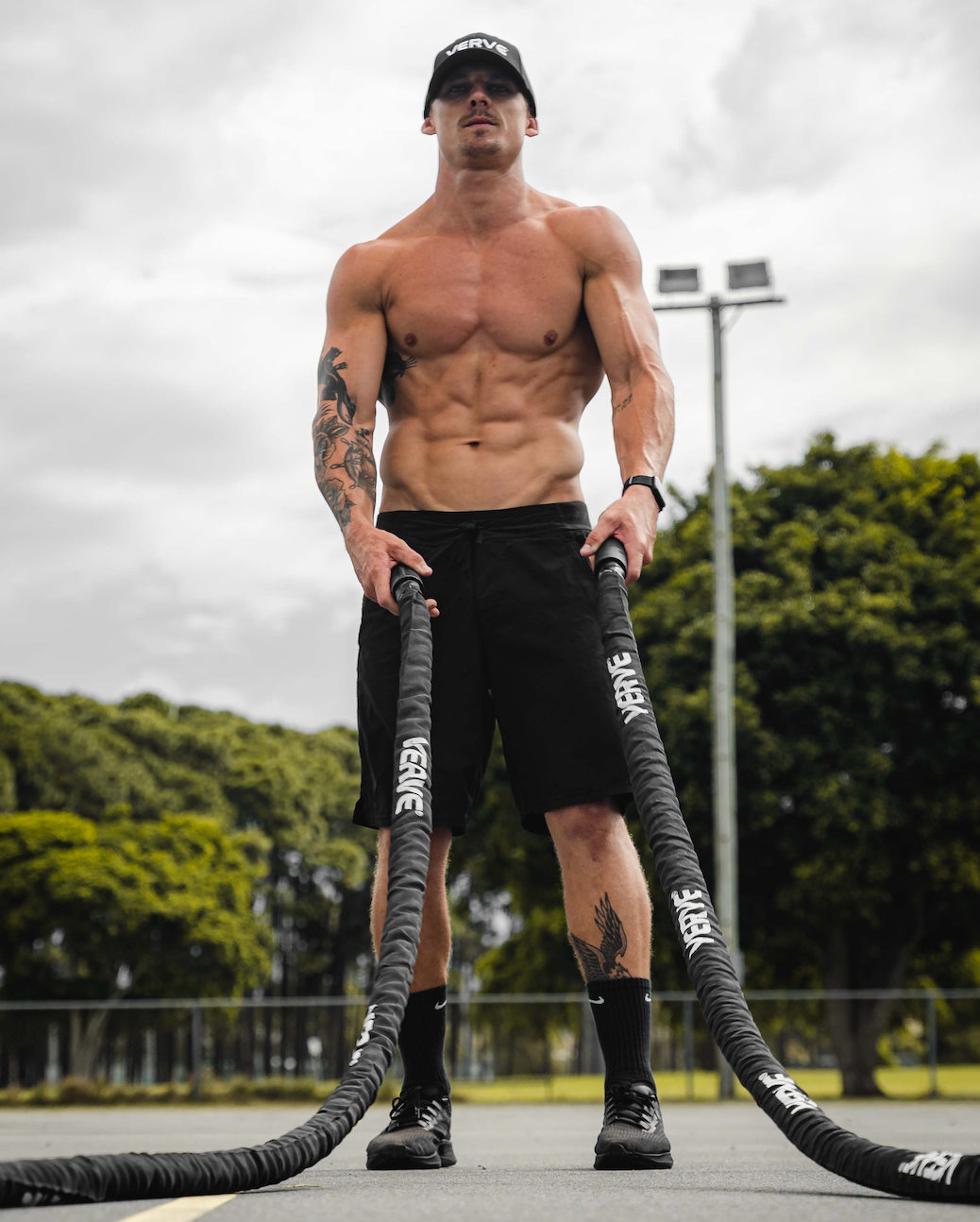
It is organised around movement patterns: squat, hinge, lunge, push, pull, carry and rotate. Exercises are often multi-joint, single-leg or single-arm, done in more than one direction, and sometimes done fast. Think kettlebell swings, sled pushes, medicine ball throws, box step-ups, farmer's carries, battle ropes and cable work.
What it is best at: coordination, balance, conditioning and work capacity, and keeping you resilient to the awkward, unbalanced loads that real life throws at you. One point that gets lost: "functional" describes a purpose, not a type of equipment. A heavy deadlift is a very functional lift if you pick things up off the floor for a living.
Strength training vs functional training at a glance
| Strength training | Functional training | |
|---|---|---|
| Main goal | Produce more force, build muscle | Move well under real-world demands |
| Load | Heavy, increased over time | Light to moderate, sometimes fast |
| Movement | Stable, mostly two-footed, one plane | Single-leg, rotation, carries, more than one plane |
| Session shape | A few hard sets with full rest | Circuits, intervals and complexes |
| Typical equipment | Power rack, barbell, plates, bench, dumbbells | Kettlebells, sleds, medicine balls, boxes, ropes, cables |
| How you measure progress | Weight lifted | Movement quality, speed, work done in a set time |
| Best for | Muscle, maximal strength, bone health | Sport, everyday tasks, conditioning, balance |
What is functional strength training?
Functional strength training is the overlap: functional movement patterns loaded heavily enough to make you stronger, not just fitter. Heavy kettlebell swings, loaded carries, sled pushes, rear-foot-elevated split squats, single-arm cable rows and landmine presses all sit here.
In practice this is what most well-designed gym programmes and good personal training sessions look like. A heavy compound lift does the strength work, then single-side and carry work makes that strength usable.
Which one should you do?
- To build muscle or get stronger: make strength training the core, two to four sessions a week, and add carries and single-leg work as accessories.
- For sport: build a strength base in the off-season, then shift more time to functional, speed and power work as the season approaches.
- For fat loss and general fitness: functional circuits build work capacity and use time efficiently, but keep at least two strength sessions a week so you hold on to muscle.
- After 50: do both. Strength work protects muscle and bone, and balance and coordination work becomes more valuable every year. Our over-50s home gym guide covers the equipment.
- Coming back from injury: controlled, measurable strength work usually comes first, with functional progressions added as you recover. Follow your physio's plan; our rehab equipment guide covers what clinics use.
- Short on time: train full body, pair one strength lift with a short functional finisher, and you cover both in 45 minutes.
The equipment for each
For strength training
- A power rack with safeties, so you can squat and bench heavy on your own.
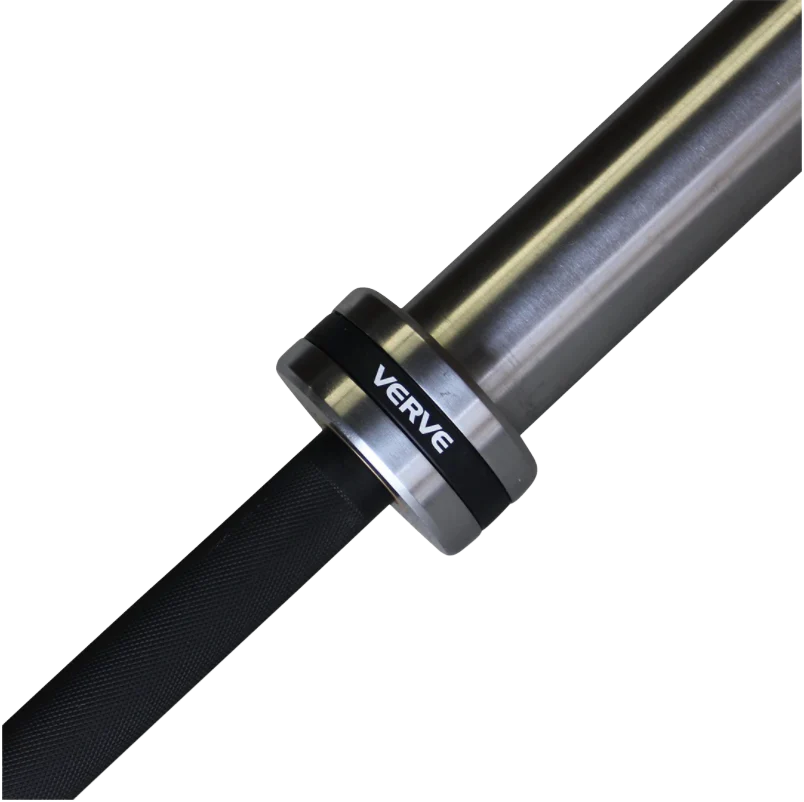
- An Olympic barbell. If you are unsure which one, read Olympic barbell vs power bar.
- Weight plates, with small change plates for steady progression.
- An adjustable weight bench for pressing and rows.
For functional training
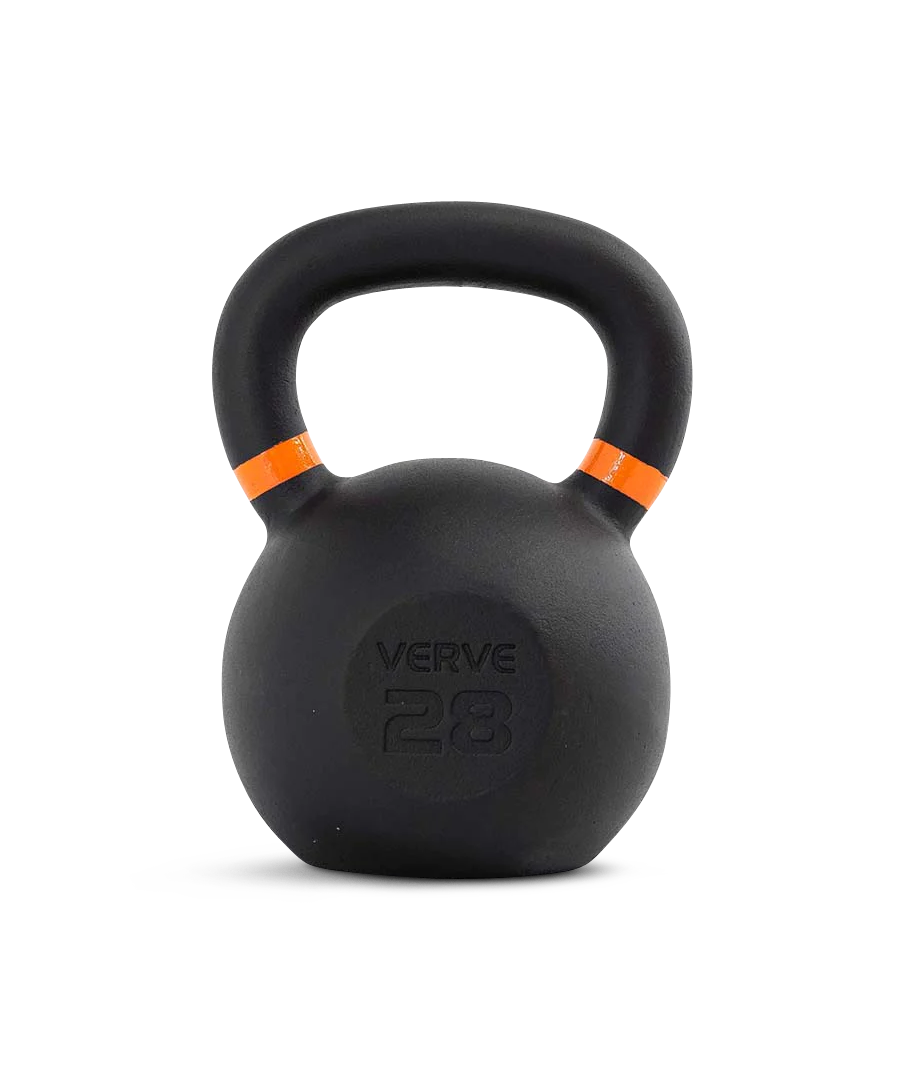
- Kettlebells for swings, goblet squats, carries and Turkish get-ups.
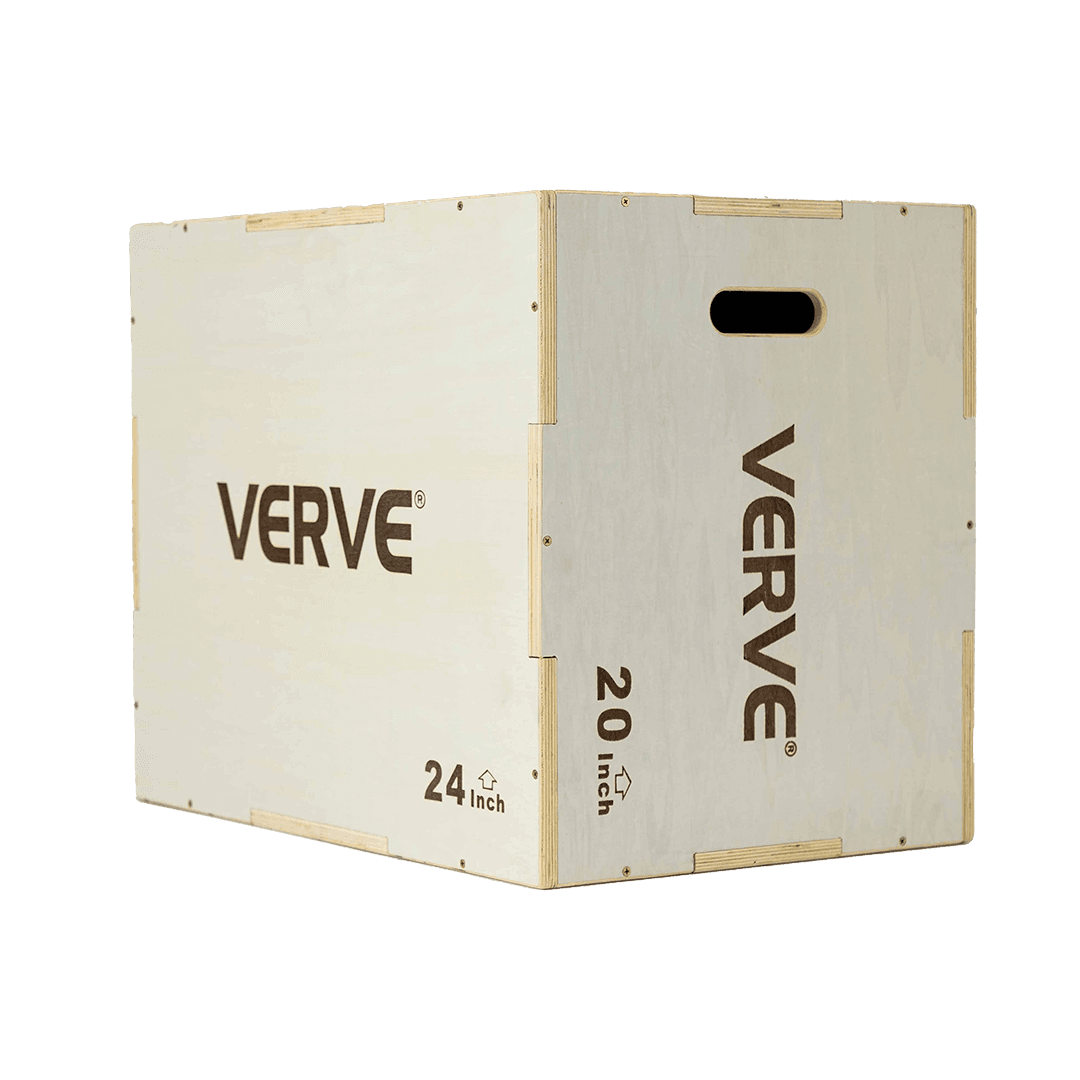
- Plyo boxes for step-ups, box jumps and elevated split squats.
- A sled for pushes and drags, a low-skill way to train hard leg drive.
- Battle ropes and the rest of the functional training range for conditioning.
One machine that does both
A cable functional trainer covers single-arm presses, rows, rotations and chops, and the rack versions also take a barbell. The VERVE Tori Functional Trainer Rack is a full power rack with two 150kg weight stacks on a 2:1 pulley ratio, so heavy barbell work and cable work share one footprint. The functional trainer buying guide compares the options.
A simple week that combines both
- Day 1, lower body strength: squat and Romanian deadlift for 3 to 5 hard sets, then farmer's carries to finish.
- Day 2, functional circuit: kettlebell swings, sled push, medicine ball slams, box step-ups and battle ropes, worked in rounds.
- Day 3, upper body strength: bench press, row and overhead press, then single-arm cable rows and rotations.
Walk or do mobility work on the other days. Because the finishers on days 1 and 3 are functional work, this week meets both guideline targets: strength on 2 or more days and functional activity on 3 or more. The guidelines say outright that one activity can count towards more than one recommendation.
Frequently Asked Questions
Is functional training better than strength training?
Can functional training build muscle?
What is functional strength training?
How many days a week should I do each?
What equipment do I need to start at home?
Your next steps
Decide what you are training for first, then buy for that goal rather than for the label. If you want both in one space, start with a rack and barbell, add a kettlebell and a box, and build from there. Send VERVE your space and your goal if you want a second opinion on the list.
Shop Strength & ConditioningThe Short Answer
Strength training means lifting progressively heavier loads so your muscles can produce more force, usually with a barbell, dumbbells or machines. Functional training means training the movements you use in sport and daily life (squatting, hinging, pushing, pulling, carrying and rotating), often standing, on one leg or at speed, with kettlebells, sleds, medicine balls and cables. Strength training builds the engine; functional training teaches you to use it. Most people get the best result from doing both, which is what Australia's movement guidelines recommend: muscle-strengthening activities on 2 or more days a week and functional activities for mobility, balance and coordination on 3 or more days a week.
Source: Australia's 24-hour movement guidelines, adults 18 to 64, last updated June 2026.
What is strength training?
Strength training, also called resistance training, is any training where your muscles work against a load that you increase over time. The idea that defines it is progressive overload: as your body adapts, you add weight, reps or sets so the work stays hard enough to drive change.
A typical strength session is built on a handful of big lifts such as the squat, deadlift, bench press, overhead press and row. You do a few hard sets of low to moderate reps with full rest between them. The movements are deliberately stable, mostly two-footed and in one plane, because stability is what lets you load them heavily and safely.
What it is best at: building muscle, building maximal strength, and loading your bones and connective tissue, which matters more every decade you get older. It is also the easiest kind of training to measure. If the weight on the bar is going up, it is working.
What is functional training?
Functional training trains movements rather than individual muscles. The goal is for the strength and fitness you build to carry over to something outside the gym, whether that is a sport, a physical job, or picking up a child and a bag of shopping at the same time.
It is organised around movement patterns: squat, hinge, lunge, push, pull, carry and rotate. Exercises are often multi-joint, single-leg or single-arm, done in more than one direction, and sometimes done fast. Think kettlebell swings, sled pushes, medicine ball throws, box step-ups, farmer's carries, battle ropes and cable work.
What it is best at: coordination, balance, conditioning and work capacity, and keeping you resilient to the awkward, unbalanced loads that real life throws at you. One point that gets lost: "functional" describes a purpose, not a type of equipment. A heavy deadlift is a very functional lift if you pick things up off the floor for a living.
Strength training vs functional training at a glance
| Strength training | Functional training | |
|---|---|---|
| Main goal | Produce more force, build muscle | Move well under real-world demands |
| Load | Heavy, increased over time | Light to moderate, sometimes fast |
| Movement | Stable, mostly two-footed, one plane | Single-leg, rotation, carries, more than one plane |
| Session shape | A few hard sets with full rest | Circuits, intervals and complexes |
| Typical equipment | Power rack, barbell, plates, bench, dumbbells | Kettlebells, sleds, medicine balls, boxes, ropes, cables |
| How you measure progress | Weight lifted | Movement quality, speed, work done in a set time |
| Best for | Muscle, maximal strength, bone health | Sport, everyday tasks, conditioning, balance |
What is functional strength training?
Functional strength training is the overlap: functional movement patterns loaded heavily enough to make you stronger, not just fitter. Heavy kettlebell swings, loaded carries, sled pushes, rear-foot-elevated split squats, single-arm cable rows and landmine presses all sit here.
In practice this is what most well-designed gym programmes and good personal training sessions look like. A heavy compound lift does the strength work, then single-side and carry work makes that strength usable.
Which one should you do?
- To build muscle or get stronger: make strength training the core, two to four sessions a week, and add carries and single-leg work as accessories.
- For sport: build a strength base in the off-season, then shift more time to functional, speed and power work as the season approaches.
- For fat loss and general fitness: functional circuits build work capacity and use time efficiently, but keep at least two strength sessions a week so you hold on to muscle.
- After 50: do both. Strength work protects muscle and bone, and balance and coordination work becomes more valuable every year. Our over-50s home gym guide covers the equipment.
- Coming back from injury: controlled, measurable strength work usually comes first, with functional progressions added as you recover. Follow your physio's plan; our rehab equipment guide covers what clinics use.
- Short on time: train full body, pair one strength lift with a short functional finisher, and you cover both in 45 minutes.
The equipment for each
For strength training
- A power rack with safeties, so you can squat and bench heavy on your own.
- An Olympic barbell. If you are unsure which one, read Olympic barbell vs power bar.
- Weight plates, with small change plates for steady progression.
- An adjustable weight bench for pressing and rows.
For functional training
- Kettlebells for swings, goblet squats, carries and Turkish get-ups.
- Plyo boxes for step-ups, box jumps and elevated split squats.
- A sled for pushes and drags, a low-skill way to train hard leg drive.
- Battle ropes and the rest of the functional training range for conditioning.
One machine that does both
A cable functional trainer covers single-arm presses, rows, rotations and chops, and the rack versions also take a barbell. The VERVE Tori Functional Trainer Rack is a full power rack with two 150kg weight stacks on a 2:1 pulley ratio, so heavy barbell work and cable work share one footprint. The functional trainer buying guide compares the options.
A simple week that combines both
- Day 1, lower body strength: squat and Romanian deadlift for 3 to 5 hard sets, then farmer's carries to finish.
- Day 2, functional circuit: kettlebell swings, sled push, medicine ball slams, box step-ups and battle ropes, worked in rounds.
- Day 3, upper body strength: bench press, row and overhead press, then single-arm cable rows and rotations.
Walk or do mobility work on the other days. Because the finishers on days 1 and 3 are functional work, this week meets both guideline targets: strength on 2 or more days and functional activity on 3 or more. The guidelines say outright that one activity can count towards more than one recommendation.
Frequently Asked Questions
Is functional training better than strength training?
Can functional training build muscle?
What is functional strength training?
How many days a week should I do each?
What equipment do I need to start at home?
Your next steps
Decide what you are training for first, then buy for that goal rather than for the label. If you want both in one space, start with a rack and barbell, add a kettlebell and a box, and build from there. Send VERVE your space and your goal if you want a second opinion on the list.
Shop Strength & Conditioning