


When to Open a Second Gym Location in Australia
The Short Answer
Open a second location when site one shows four things at once: a genuine waitlist or capped classes, class capacity consistently maxed out, a manager who can run day-to-day without you, and at least 12 months of stable profit. Replicate the systems that made site one work, not the atmosphere you remember from opening week, and fund site two from site one's own cash flow rather than stretching both sites thin on debt from day one.
The four signals it is time
Most Australian gym founders think about a second location too early, driven by excitement rather than evidence. The founders who get it right wait for four signals to show up together, not just one.
- A genuine waitlist, or classes capped and full. Not the occasional busy Tuesday evening, a consistent pattern across weeks where you are turning people away or capping class sizes because there is genuinely no more room.
- Class capacity consistently maxed. If your peak time slots are full and you have already added sessions to relieve the pressure, that is demand you cannot serve any further without more space, not a scheduling problem.
- Management depth. Site one needs to run properly for weeks at a time without you physically there. If you are still the person opening up, closing down and making every decision, you do not yet have a business that can run a second site while the first keeps working.
- Twelve or more months of stable profit. One good quarter is not a trend. A full year of consistent profit at site one tells you the model actually works through the seasonal swings a single good run of months can hide.
All four, together, not one or two. A waitlist without management depth means you are about to run two under-managed sites instead of one well-managed one. Strong profit without proven systems means you got lucky once, not that you have something repeatable.
It is worth being honest about which of the four is genuinely hardest to build. Waitlists and maxed capacity are visible and easy to point to. Profit history is a number you can pull from your accounts. Management depth is the one founders overestimate most often, because "my manager could probably handle it" is a very different statement to "my manager has actually run this site alone for three straight weeks while I was uncontactable." Test that before you assume it, ideally by genuinely stepping back from site one for a stretch and watching what happens, rather than guessing.
Replicate the system, not the vibe
The mistake founders make second time around is trying to recreate the feeling of site one rather than the systems that actually produced it. What made site one work was not the exact building or the exact opening-week energy, it was the layout principles, the staffing structure, the equipment package and the standard operating procedures that made the day-to-day run properly. Document those before you open site two: your floor layout approach, your staff rostering and onboarding process, your equipment specification (see the gym fit-out guide), and the standard procedures your team follows without you standing over them.
A second site built from a documented system opens faster and runs more consistently from week one than a second site built from memory and instinct. It also makes a third site, if you ever get there, dramatically easier again.

Funding site two from site one's cash flow
The safest way to fund a second location is from the profit site one is already generating, not by stretching both sites thin on fresh debt at the same time. That does not mean paying cash for everything: equipment finance such as a chattel mortgage is a normal, common way to fund the fit-out without draining working capital, but the repayments should be comfortably serviceable from site one's existing cash flow, not dependent on site two hitting its break-even number on schedule. Keep a working capital buffer of 3 to 6 months of combined operating costs across both sites before you sign a second lease, the same discipline that applied when you opened site one in the first place.
See Site Two Before You Sign Anything
Send us the new floor plan and most founders have renders back within a week, then a video walkthrough, so you can replicate what worked at site one with confidence.
Request Your Free DesignThe regional Queensland story
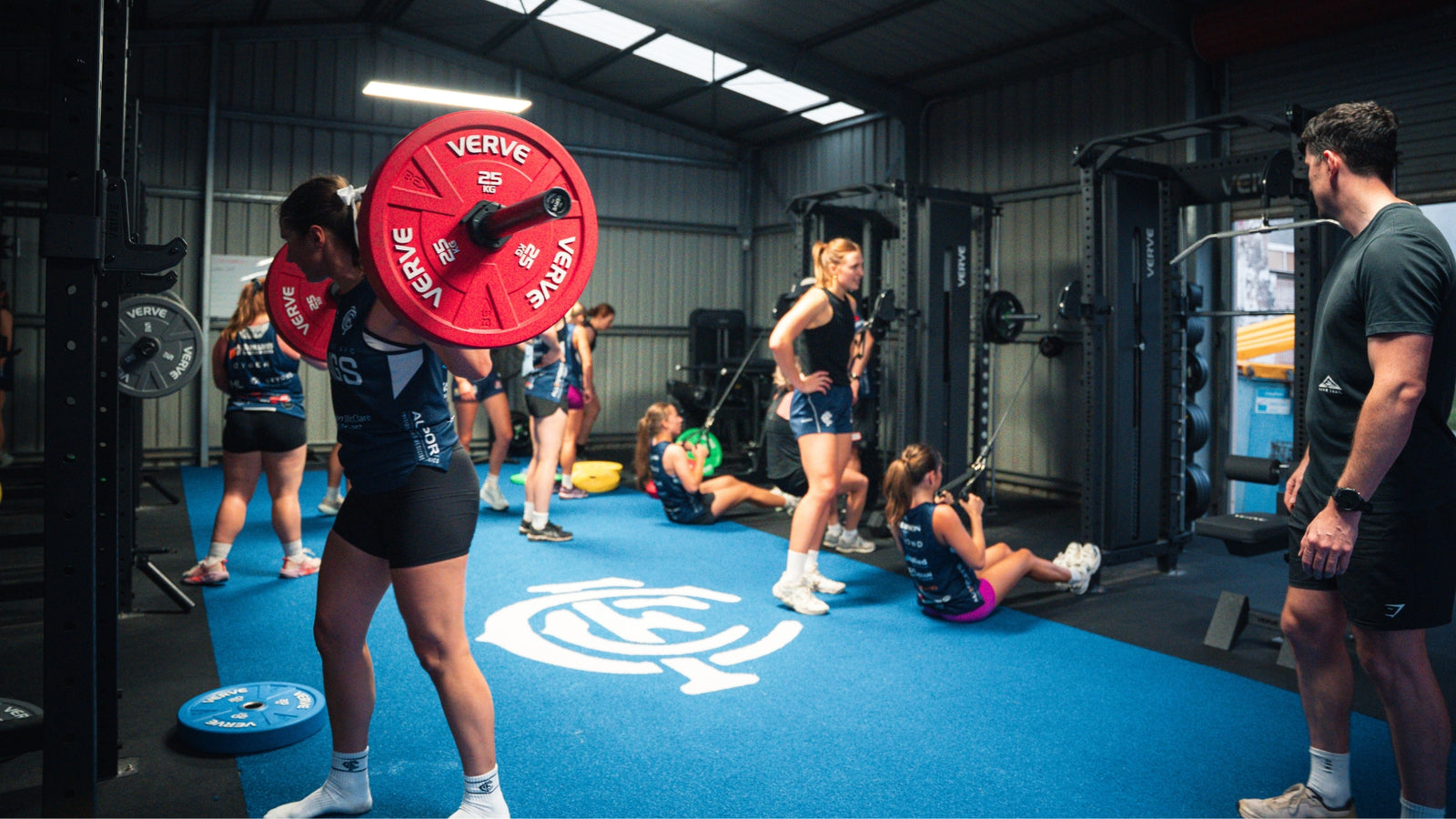
One regional Queensland gym owner started with a single room and has expanded four times since, each time waiting for the same signals: the existing space maxed out, a manager capable of running it without daily hands-on involvement, and the cash flow to fund the next step without over-leveraging the business. None of the four expansions happened because growth felt exciting in the moment, each one happened because the numbers and the team were both already there.
What changes (and gets easier) the second time
The lease-to-open timeline of 8 to 16 weeks still applies to a second site, but it usually moves faster because you already know your equipment package, your preferred layout and your supplier relationships. You are not learning what a commercial lease clause means for the first time (see the gym lease guide), and you are not guessing at your equipment budget, you already have real numbers from site one. What does not get easier automatically is management: a second site needs its own capable manager, not a stretched version of the person running site one.
The catchment can also be genuinely different the second time, even within the same city. A site two suburb over might skew toward a different age group, a different price sensitivity, or a stronger pull toward group training over open-gym access. Bring the system, the layout principles, the staffing structure, the standard procedures, but be willing to adjust the equipment mix and price positioning if the local market genuinely calls for it, rather than assuming site one's exact answer transfers everywhere.
Common mistakes: too early and too late
- Opening site two on a strong month or two rather than 12 or more months of stable profit
- Promoting your best site one team member to run site two before they have actually run anything without you
- Waiting so long that a competitor takes the obvious second site in your growth corridor
- Funding site two entirely on new debt without a working capital buffer across both sites
- Copying the building and fit-out exactly rather than the underlying system, when the second site's catchment might need a slightly different mix
A readiness checklist
| Signal | Not ready | Ready |
|---|---|---|
| Waitlist / capacity | Occasional busy periods only | Consistent, weeks-long pattern of full classes or a real waitlist |
| Management | You open, close and decide daily | A manager runs day-to-day without you for weeks at a time |
| Profit history | One or two strong months | 12+ months of stable profit through seasonal swings |
| Funding | Second site depends on new debt alone | Comfortably serviceable from site one's cash flow, buffer intact |
Model the numbers for site two, rent, staffing, equipment finance repayments, against your actual site one cash flow using the financial planner, free and signed up with your email, before you sign anything.
Get Your Free 3D Gym Design
Send us your floor plan and most founders have renders back within a week, then a video walkthrough and as many layout changes as it takes.
Request Your Free DesignFrequently asked questions
How do I know if my gym is ready for a second location?
Look for four signals together: a genuine waitlist or consistently full classes, management depth so site one runs without you daily, and at least 12 months of stable profit. All four, not just one or two.
How long should I wait before opening a second gym?
There is no fixed timeline. Wait for the signals, not the calendar. Some founders reach them in under two years, others take longer, and that is fine provided the fundamentals at site one are genuinely solid.
Should I fund a second gym location with debt?
Equipment finance for the second site's fit-out is common and normal, but the repayments should be comfortably serviceable from site one's existing cash flow, with a working capital buffer intact across both sites, not dependent on site two hitting break-even on schedule.
Should I promote my best staff member to manage the second site?
Only if they have already run site one without you for extended periods. A second site needs a proven manager, not simply your best trainer or most senior team member.
Is opening a second location faster than the first?
Usually, yes. The lease-to-open timeline is similar, but you already know your equipment package, layout preferences and suppliers, which removes a lot of the first-time learning curve.
What is the biggest mistake founders make with a second location?
Trying to recreate site one's exact feel rather than its underlying systems, staffing structure and equipment package. Document the system, not just the memory of what worked.
Do I need to wait for site one to be perfect before opening site two?
No, but you do need it stable: 12 or more months of consistent profit through seasonal swings, and a manager capable of running it without your daily involvement.