Ice bath, sauna or compression boots? The answer depends on what you trained in, and when you ask.
Most athletes don't have a recovery problem. They have a timing problem.
The tools work. Cold water immersion, heat therapy and compression have decades of use behind them, from professional sport down to the garage gym. But used at the wrong moment, the same tools can blunt the very adaptations you trained for. The difference between recovery that builds you and recovery that just feels good comes down to when you use each one.
This guide covers which tool fits your training, when to use it, and the timing mistakes that quietly cost you progress.
First, know the difference between sore and injured.
Soreness is general, symmetrical and dull. It peaks 24 to 48 hours after a hard session, eases with movement, and fades within a few days. That's DOMS, and it's a normal response to new or heavy training.
Injury is different. Sharp pain, pain on one side only, pain at a specific point, swelling, or pain that gets worse with movement instead of better. None of the tools in this guide treat injury. If that's what you're feeling, see a physio before you see an ice bath.
Everything below is for the first category: the heavy legs, the tight back, the general fatigue of training hard and often.
Cold water immersion: powerful, and easy to mistime.
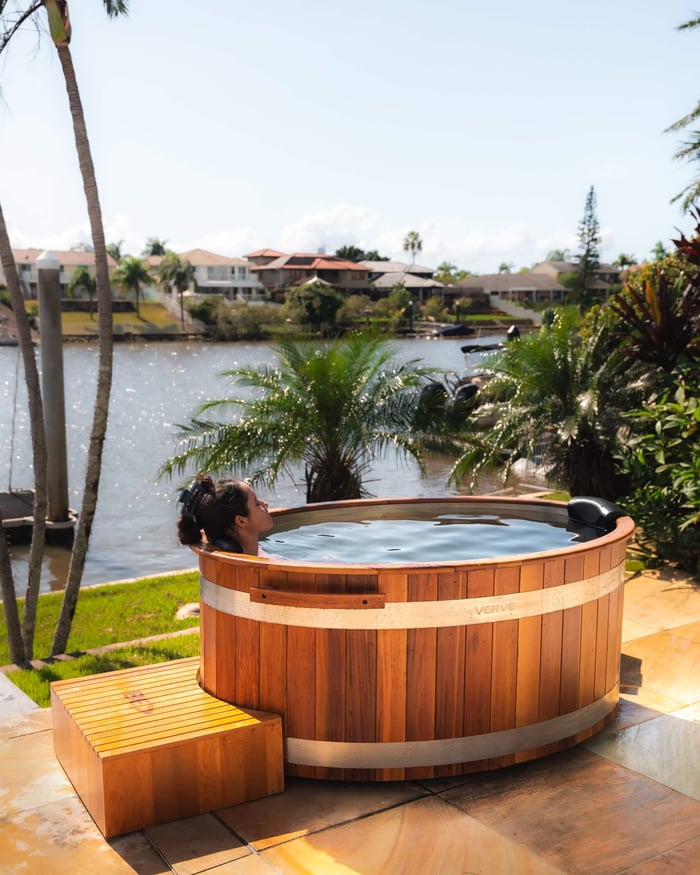
The ice bath is the most searched recovery tool for a reason. Cold water immersion helps manage soreness and the feeling of inflammation after hard sessions, and the mental reset of sitting in cold water is real for anyone who's done it.
It's also the easiest tool to use at the wrong time.
The timing rule: research suggests that cold water immersion in the hours immediately after strength or hypertrophy training can interfere with the muscle-building signal that session just created. You did the work to trigger adaptation. Plunging straight after may turn part of that signal down.
When to use it:
• After endurance sessions, long runs and rides, where soreness management matters more than muscle growth.
• After games and competition, when the goal is backing up quickly, not adapting.
• During high-frequency training blocks, when tomorrow's session matters more than today's gains.
• On separate days from your heaviest lifting, or at least 4 to 6 hours after it.
• In the morning, for alertness and the reset, well clear of training.
When to skip it:
• Within a few hours of a strength or hypertrophy session during a muscle-building block. Let the session do its job first.
• Immediately before heavy or explosive training. Cold reduces muscle power output in the short term. Don't plunge and then expect to PB.
Keep it simple: 2 to 5 minutes at 10 to 15 degrees covers most people. Colder and longer is not better, it's just colder and longer.
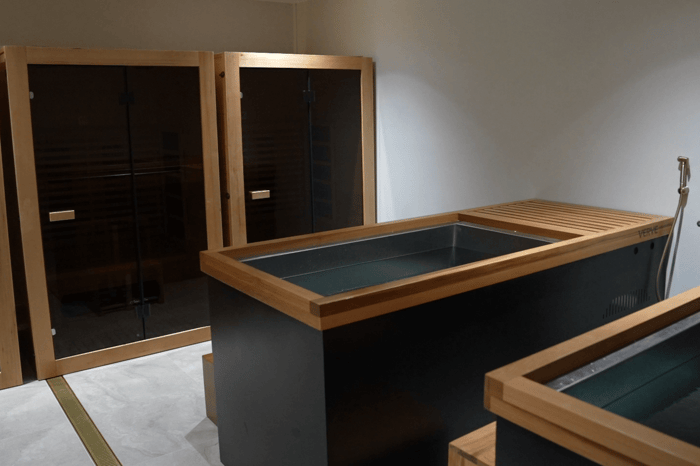
This is also why owning the tub beats renting the moment. When the ice bath is in your backyard, you can use it when the timing is right for your program, not whenever the recovery centre has a booking free. The VERVE ice bath range holds temperature and filters the water, so the right moment is always ready.
Sauna: the most forgiving tool you own.
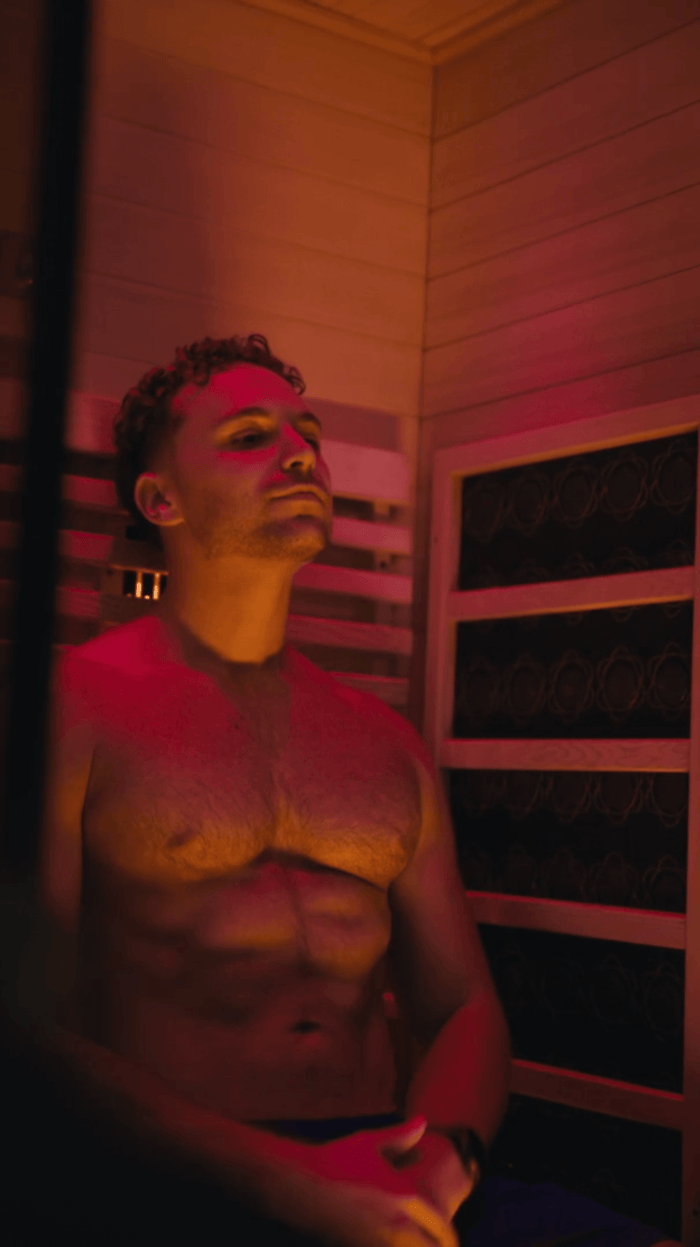
If cold has a timing trap, heat is the opposite. Post-training sauna use doesn't carry the same adaptation concern, and regular heat exposure supports circulation and helps the body wind down.
When to use it:
• After training, any type. Heat after a session is generally adaptation-friendly.
• In the evening, 1 to 2 hours before bed. The rise and fall in body temperature after a sauna supports sleep onset, and sleep is the recovery tool that beats every other tool on this list.
• On rest days, as a low-effort session that still feels like doing something.
When to skip it:
• When you're dehydrated. Rehydrate after training before you sit in the heat, and drink water afterwards.
• Immediately before training. You want to start a session fresh, not pre-cooked.
Keep it simple: 15 to 30 minutes, a few times a week, builds the habit. An infrared sauna at home removes the friction that kills most recovery routines: no booking, no drive, no sharing the bench with strangers.
Compression boots: the zero-cost timing option.
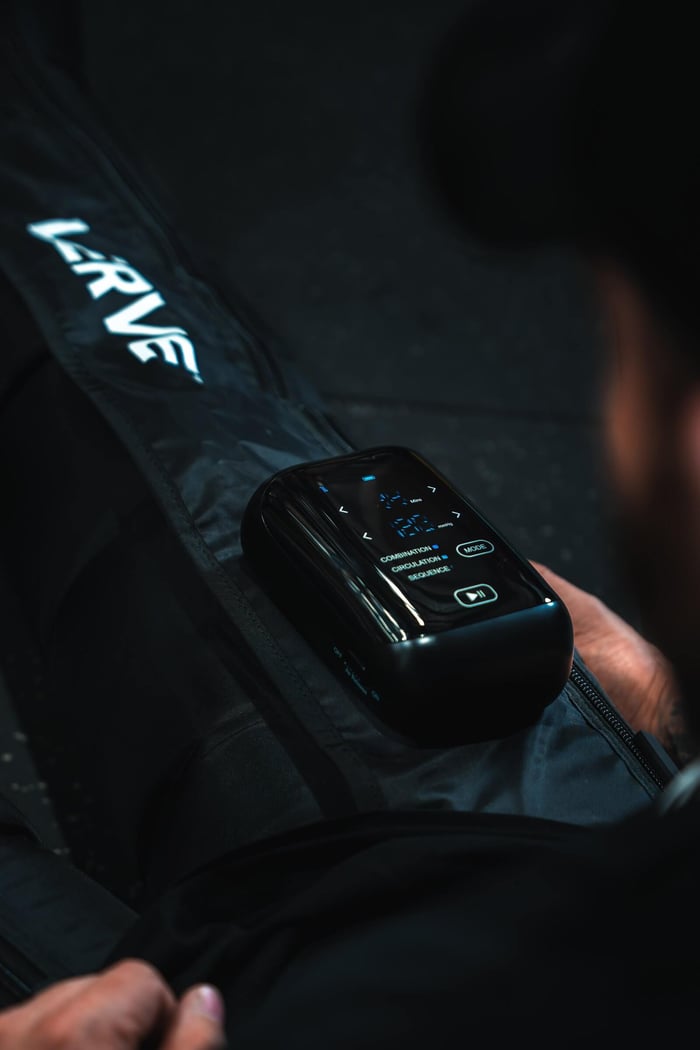
Compression boots are timed air pressure in segments along your legs. A flush-and-release feeling for 20 minutes after training. No magic claims, just a tool that does one thing well.
What makes them different is that there's almost no wrong time. Unlike cold, compression doesn't interfere with the adaptation signal, so the boots slot in anywhere.
When to use them:
• Straight after leg sessions, long runs or games, when legs feel heavy.
• Between sessions on double days.
• On rest days, in the evening, while you do nothing else.
• For runners and anyone managing cumulative leg fatigue across a long week, this is the tool that earns its spot fastest.
Keep it simple: 20 minutes, legs up, done. If a recovery habit needs to survive a busy week, this is the one that will.
The hot and cold cycle: contrast done properly.
Sauna into ice bath is the routine everyone wants to run, and done at the right time it's an excellent one. Heat, then cold, alternated, with the cold doing the sharpening and the heat doing the relaxing.
The rules that matter:
• Always end on the right temperature for the time of day. Finishing cold leaves you alert, so end cold in the morning or early afternoon. Finishing warm helps you wind down, so end on heat in the evening.
• Time it like an ice bath, because it contains one. The cold half of the cycle carries the same caveat as cold water immersion on its own. Run contrast after endurance work, after games, or on non-lifting days. Don't run it straight after a hypertrophy session and expect to keep everything you just built.
• A simple structure: 10 to 15 minutes of heat, 2 to 3 minutes of cold, repeated 2 to 3 rounds. Hydrate throughout.
Running hot and cold back to back at home is the whole point of pairing a sauna with an ice bath in the same space. Walking from one to the other in ten steps is a different routine to driving between two bookings.
Match the tool to your training.
Strength and hypertrophy athletes. Your priority is protecting adaptation. Sauna after sessions and in the evenings. Compression boots between lower-body days. Ice baths away from lifting, on rest days or mornings, and pulled back during dedicated muscle-building blocks.
Runners and endurance athletes. Your priority is managing leg fatigue and backing up volume. Compression boots are the daily workhorse. Ice baths after long runs and races. Sauna in the evenings for the wind-down and sleep.
Team sport and CrossFit athletes. Your priority is being ready again in 2 to 5 days. Contrast therapy after games. Boots on the couch the next day. Sauna mid-week. This is the population the full hot-cold setup was built for.
Training twice a day. Cold or contrast between sessions when readiness for session two beats adaptation from session one. Sauna at night. Boots whenever you're sitting down anyway.
The mistakes that cost you.
1. Ice bath straight after lifting in a building phase. The most common error, and the most expensive. You trained for a signal, then turned it down.
2. Cold plunge right before heavy or explosive work. Short-term power drops in cold muscle. Save it for after, or for another day.
3. Sauna while dehydrated. You finish the session down on fluid, then sweat out more. Rehydrate first.
4. Ending contrast on the wrong temperature at night. A cold finish at 9pm is a great way to lie in bed wide awake.
5. Chasing extremes. Colder, longer and hotter is not a progression plan. Consistency at sensible doses beats heroics once a fortnight.
6. Treating recovery tools as a substitute for sleep. Nothing on this list outworks eight hours. The tools support the basics, they don't replace them.
The short version.
Sore is fine, sharp is not. Cold is powerful but timed. Heat is forgiving and helps you sleep. Compression fits anywhere. Contrast is the full routine, run on the right days and ended on the right temperature.
And the routine you'll actually keep is the one that lives where you do. The full VERVE recovery range, ice baths, infrared saunas and compression boots, is on sale now for EOFY. Don't miss out.

This article is general information for healthy adults, not medical advice. If you're managing a condition or an injury, talk to your doctor or physio before starting cold or heat exposure.