Fitness trends come and go. But 2026 is shaping up differently.
The trends we're seeing aren't just flashes in the pan. They're genuine shifts in how people approach movement, recovery, and overall wellbeing.
Whether you're a gym regular or someone who's just trying to stay active, here's what's worth paying attention to this year.
1. Hybrid Training is the New Normal
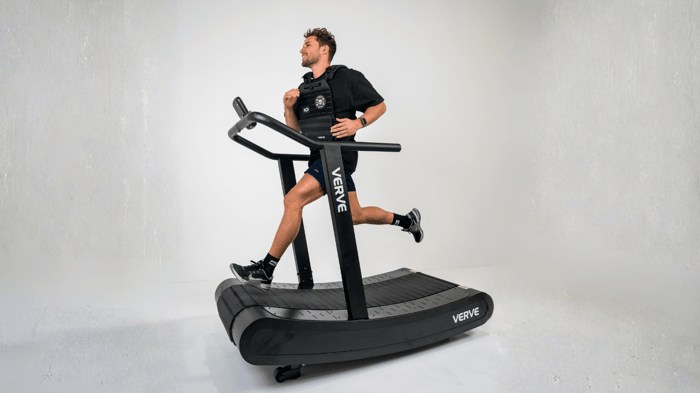
Gone are the days when you had to choose between being a 'cardio person' or a 'strength person'.
In 2026, the smartest training programmes blend everything together. People are finally realising that variety isn't just the spice of life. It's essential for actual results.
What this looks like in practice:
● Mixing resistance training with cardiovascular work
● Adding mobility sessions between heavy lifting days
● Treating recovery as seriously as the workout itself
● Less about following one strict methodology, more about building a well-rounded routine
Why it works:
It prevents burnout. When every workout isn't the same grind, you're more likely to actually stick with it long-term.
Plus, your body gets stronger, fitter, and more resilient across the board rather than just excelling in one narrow area.
2. Recovery Tech Gets Serious
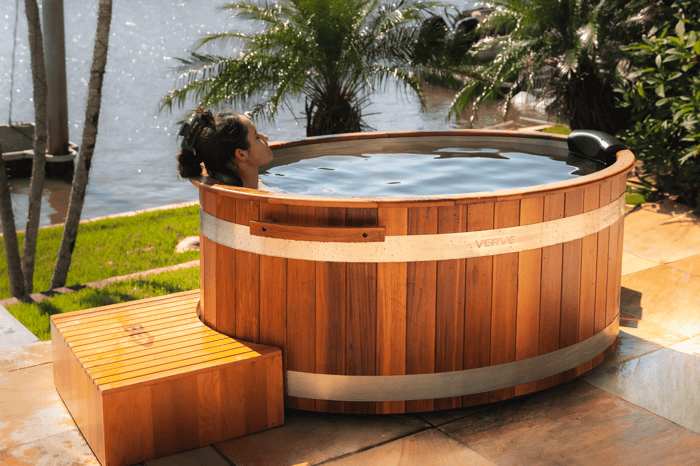
If 2025 was the year everyone started talking about recovery, 2026 is when people are actually doing something about it.
We're seeing a massive uptick in recovery tools moving from elite athlete territory into regular home gyms:
● Percussion massage guns
● Compression boots
● Infrared saunas
● Cold plunge tubs
But here's the thing. It's not just about buying fancy gadgets.
People are starting to understand the science behind why recovery matters:
● Your muscles don't grow during the workout; they grow during rest
● Your nervous system needs downtime to adapt
● Sleep quality directly impacts your performance
The trend we're loving?
People are scheduling recovery sessions the same way they schedule workouts. Active recovery days, proper warm-ups and cool-downs, and actually taking rest days instead of powering through seven days a week like some sort of fitness martyr.
3. Social Workouts
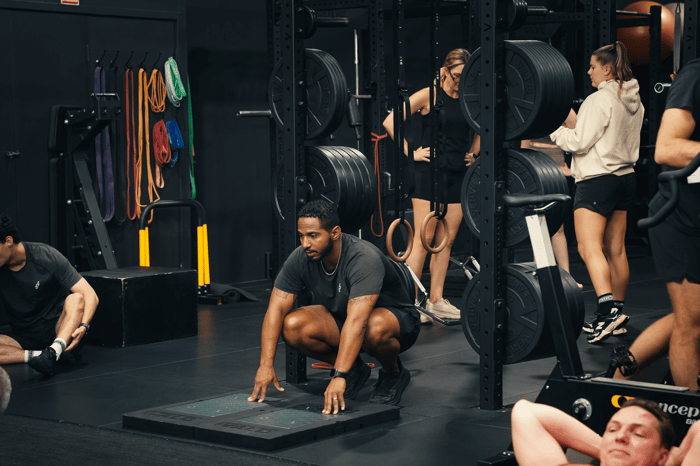
The solo gym session still has its place, but 2026 is seeing a huge shift back to training with others.
Group classes, outdoor bootcamps, running clubs, and training partners are making a serious comeback. And it's not just about nostalgia for pre-pandemic socialising.
What we're seeing:
● Parks filled with group fitness sessions
● Running and cycling clubs exploding in popularity
● Gym members seeking out group classes over solo sessions
● Training communities forming around specific goals or events
Why this trend is sticking:
Accountability. When you've committed to meeting someone at 6am, you actually show up.
The social element makes training more enjoyable. What might feel like torture alone becomes fun with the right crew.
Plus, there's something powerful about shared effort. Pushing through tough sets alongside others creates bonds and motivation that you just can't replicate on your own.
The mental health benefits are huge too. Combat loneliness, build genuine friendships, and feel part of something bigger than yourself. All while getting fitter.
4. Personalisation Through Data (Without the Overwhelm)
Wearable tech has been around for years, but in 2026, we're seeing a shift from just collecting data to actually using it intelligently.
Metrics that matter:
● Heart rate variability
● Sleep tracking
● Readiness scores
● Recovery indicators
The key difference now?
The tech is getting better at translating all those numbers into actionable advice.
Instead of drowning in graphs and stats, apps are telling you simple things like:
"Maybe take it easy today"
"You're primed for a big session"
"Prioritise sleep tonight"
It's like having a coach in your pocket who actually knows when you're running on fumes.
Not sure what exercises to do?
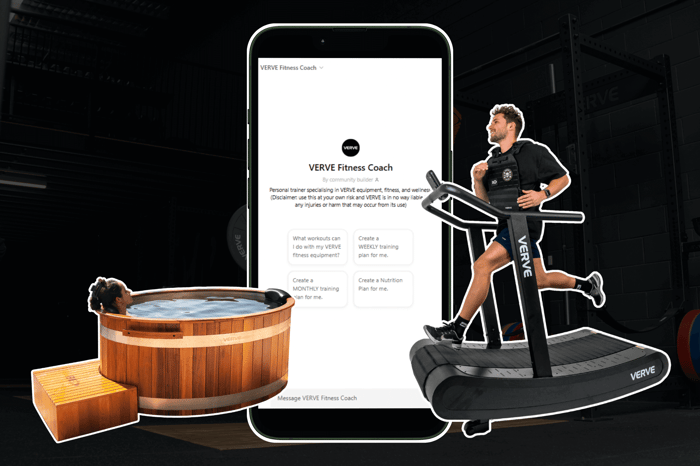
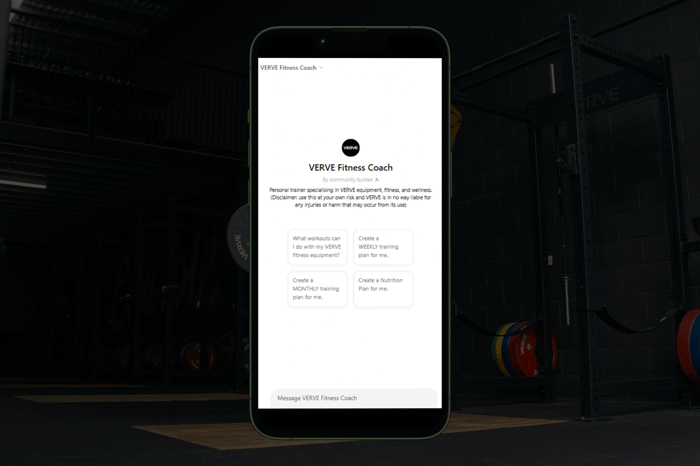
Want to get the most out of your new VERVE equipment? Let VERVE's AI Fitness Coach build a programme tailored to you. It takes the guesswork out of training and helps you make smarter decisions about what to do each session.
That said: The best approach is still listening to your body first and using tech as a helpful backup, not the be-all and end-all. No app can tell you how you truly feel or what you're mentally capable of on any given day.
5. Holistic Health
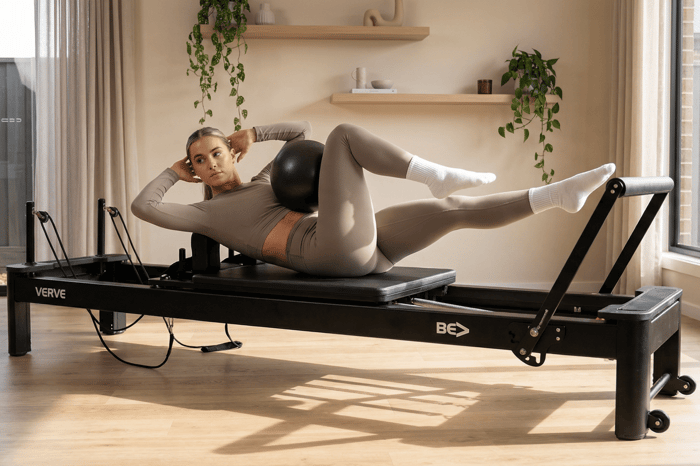
This might be the most important shift of all.
In 2026, people are finally moving beyond the idea that fitness is just about physical performance. The connection between mental wellbeing, stress management, and physical training is taking centre stage.
What this looks like:
● Mindfulness practices integrated into training sessions
● Breathwork becoming standard in warm-ups and cool-downs
● Yoga and mobility work valued as much as heavy lifting
● Mental health check-ins as important as physical progress tracking
What people are discovering:
● Better stress management improves recovery
● Mental clarity enhances physical performance
● Mind-body practices reduce injury risk
● Sustainable fitness requires mental and emotional health
How the industry is responding:
● Gyms offering meditation and breathwork classes alongside traditional workouts
● Coaches addressing stress, sleep, and lifestyle factors
● Recovery practices including both physical and mental restoration
● Training programmes designed around overall wellbeing, not just aesthetics
The shift is simple but profound: fitness isn't about punishing your body into submission. It's about working with your whole self to build long-term health and capability.
The Bottom Line
What ties all these trends together?
They're sustainable, evidence-based, and focused on long-term health rather than quick fixes.
People are getting smarter about fitness. They're recognising that:
➤ Consistency beats intensity
➤ Looking after your body is a lifelong practice, not a 12-week transformation challenge
➤ The best workout routine is always the one you'll actually do
Whatever your fitness journey looks like in 2026, the key is finding what works for you and sticking with it.
Trends are great for inspiration, but sustainable progress is what actually matters.